Chokeberry Bush
Aronia arbutifolia 'Brilliantissima'
Brilliantissima Red Chokeberry with Scarlet Fall Color
- Scarlet fall color and glossy red berries that often last into winter
- Tolerates wet sites and occasional flooding, and drier soil once established
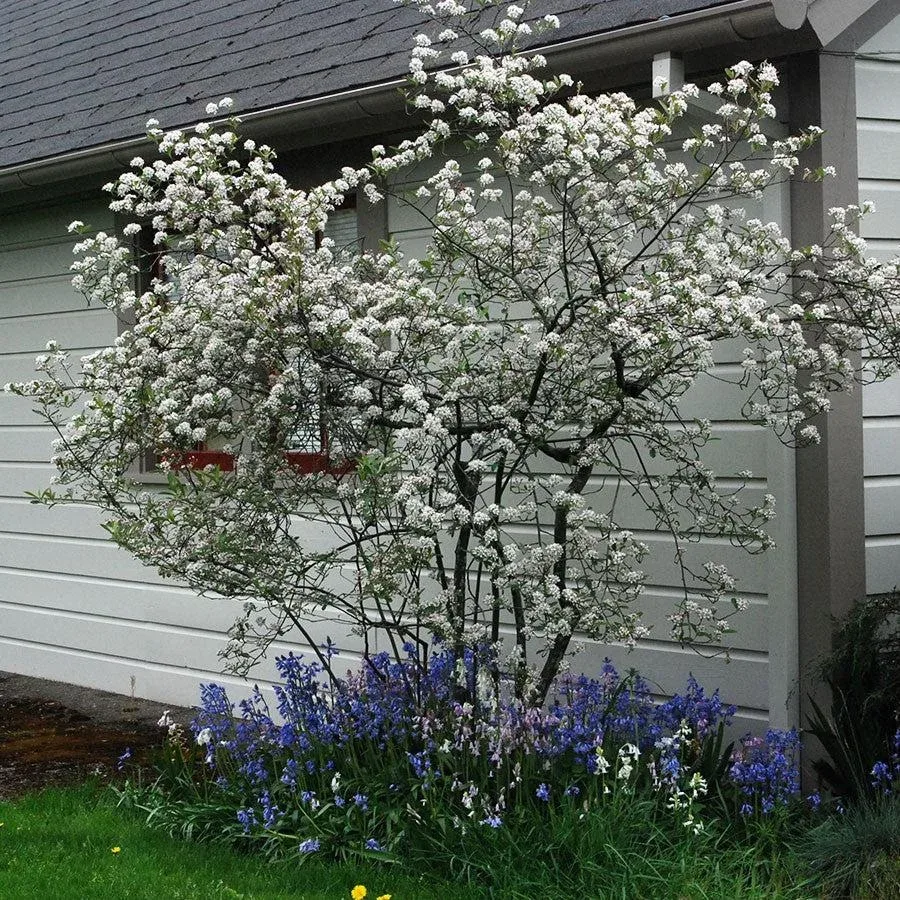
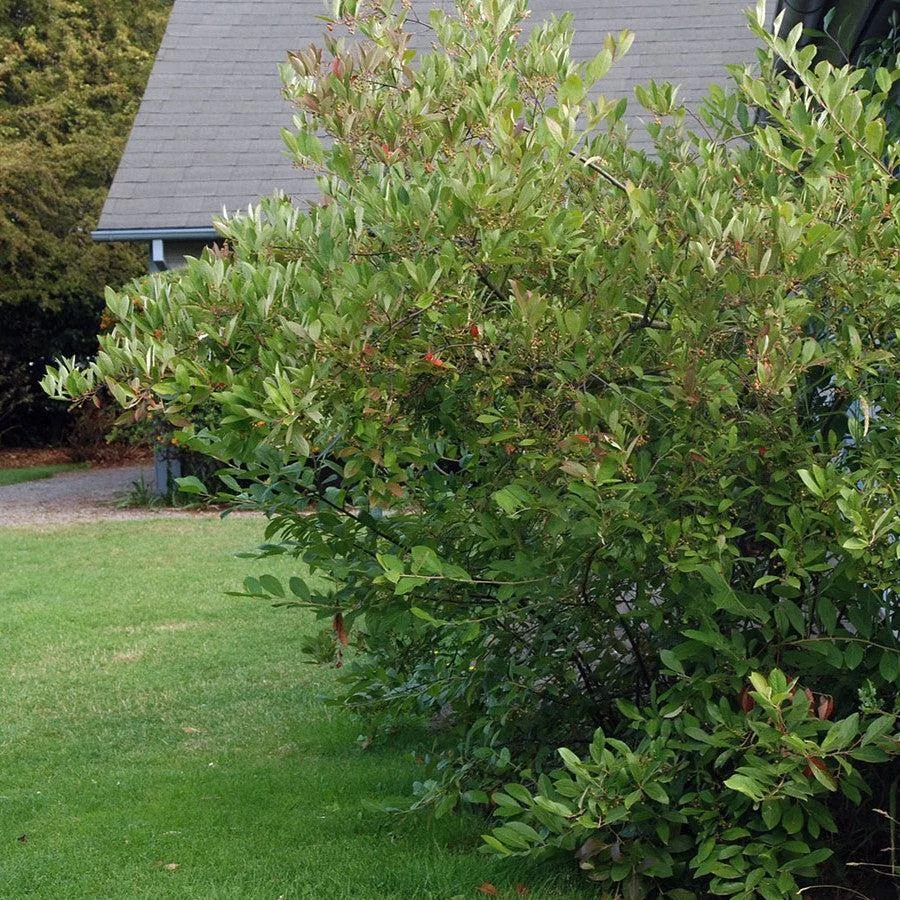
- Native shrub, 6 to 12 feet tall, with white spring flowers for pollinators
About this plant
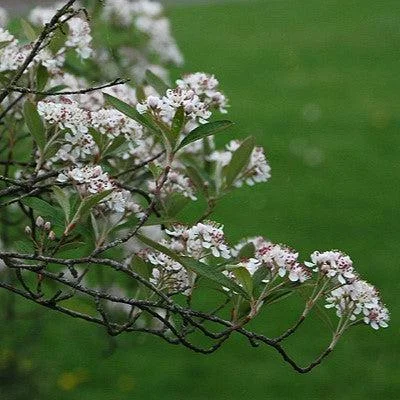
Brilliantissima is a red chokeberry (Aronia arbutifolia), a deciduous shrub native to eastern North America and grown for its scarlet fall color. White to light pink flowers in May give way to glossy red berries that ripen in fall and often hang on into winter. It grows slowly to about 6 to 12 feet tall and 3 to 6 feet wide, in full sun to part shade, and it handles wet sites and occasional flooding as well as drier soil once established. The berries are edible but very astringent raw, deer browse it, and it suckers to form colonies, so remove suckers where you want it to stay put.
Your plant arrives in a nursery container, ready to transplant. Plant on arrival or hold in a sheltered spot if weather is extreme. Water thoroughly after planting to settle the soil. Keep soil consistently moist for the first two weeks, then transition to your regular watering schedule as the plant establishes.
Chokeberry for Wet Corners and Borders
This native shrub copes with both wet and dry soil, which widens your choices.
Rain garden
It tolerates wet soil once established, so it can sit in the low spot where water collects.
Back of the border
At 6 to 12 feet, it fills the back of a shrub border and turns scarlet in fall.
Native hedge
Planted 3 to 5 feet apart, shrubs knit into an informal hedge with white spring flowers and red winter berries.
Bee border
Spring blooms feed pollinators, and switchgrass or purple coneflower fill in beside it.
Not ideal for: Deep shade reduces fall color and fruit, which are best in full sun.
Good to know: The berries are edible but very astringent raw, and deer browse it, so protect plants where deer are heavy.
Chokeberry Bush at a glance
| Botanical name | Aronia arbutifolia 'Brilliantissima' |
|---|---|
| Plant type | deciduous shrub (native red chokeberry) |
| USDA zones | 3-9 |
| Mature height | 6-12 ft |
| Mature width | 3-6 ft, suckers to form colonies |
| Sun | full sun to part shade; best fall color and fruiting in full sun |
| Water | moderate; tolerates wet/poorly-drained soil (native to swampy sites) and, once established, moderate drought |
| Bloom time | mid to late spring (April-May, varies by zone) |
| Bloom color | white to light pink |
| Growth rate | slow |
| Deer resistance | low (deer browse it) |
| Best planting time | early spring or fall |
Container sizes explained
| #1 / 1 Gallon | A trade one gallon pot (about 6.5 inches). One to two seasons older than a quart, with an established root system. |
|---|---|
| #2 / 2 Gallon | A trade two gallon pot. Common for peonies and perennials that need root room; usually blooms the first or second year. |
| #3 / 3 Gallon | A trade three gallon pot (about 10 inches). A well-developed shrub or small tree, often 2 to 4 feet tall on arrival. |
Questions before you buy
What is the difference between the 2-gallon and 3-gallon sizes?
Both arrive in nursery containers ready to plant. The 3-gallon has a larger root system. Both will reach the same mature size and typically flower within 2-3 years of planting.
When should I plant my chokeberry after it arrives?
Plant on arrival if conditions allow. If weather is extreme, hold the plant in a sheltered spot for a day or two. Water thoroughly after planting to settle the soil.
How big does this chokeberry get?
Red chokeberry grows slowly to about 6 to 12 feet tall and 3 to 6 feet wide. NC State describes 'Brilliantissima' as a compact selection with abundant fruit and flowers. It spreads by root suckers and can form a colony unless the suckers are removed.
Does chokeberry need full sun?
Chokeberry tolerates full sun to partial shade, but performs best in full sun, which brings out the most vibrant fall color and promotes abundant flowering. Plant in full sun if your site allows it, though partial shade is acceptable.
What hardiness zones does this chokeberry handle?
This chokeberry is hardy in USDA zones 3 through 9. It tolerates cold winters and adapts well to various soil types and moisture conditions.
What should I do the first year after planting?
Keep soil consistently moist for the first two weeks after planting, then transition to regular watering as the plant establishes. Chokeberry tolerates wet and average soil, so adjust watering based on rainfall. This shrub is low-maintenance.
Growing guides for Chokeberry Bush
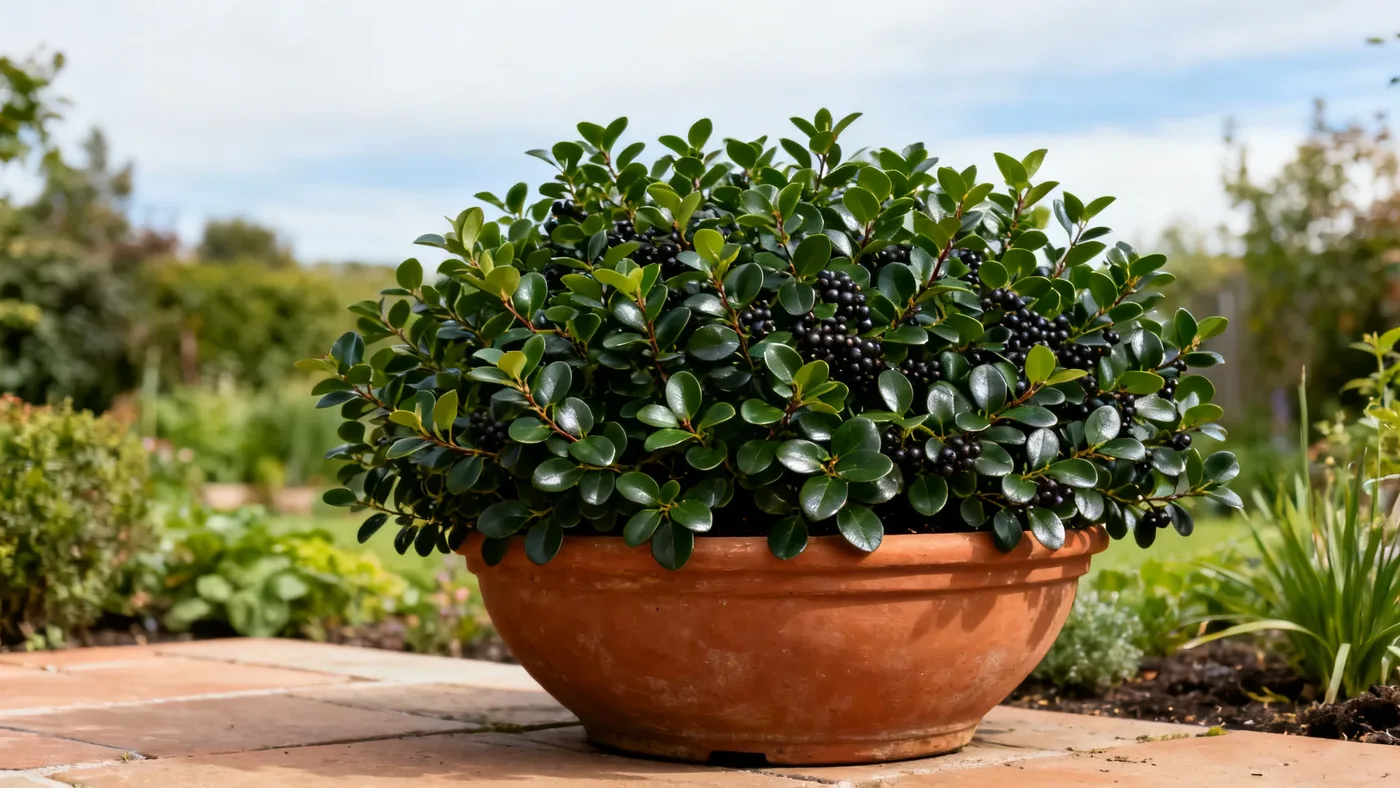
Chokeberry Bush Buying Guide: Best Container Sizes to Choose
Cultivars, container sizes, and quality signs for chokeberry in zones 3 to 9
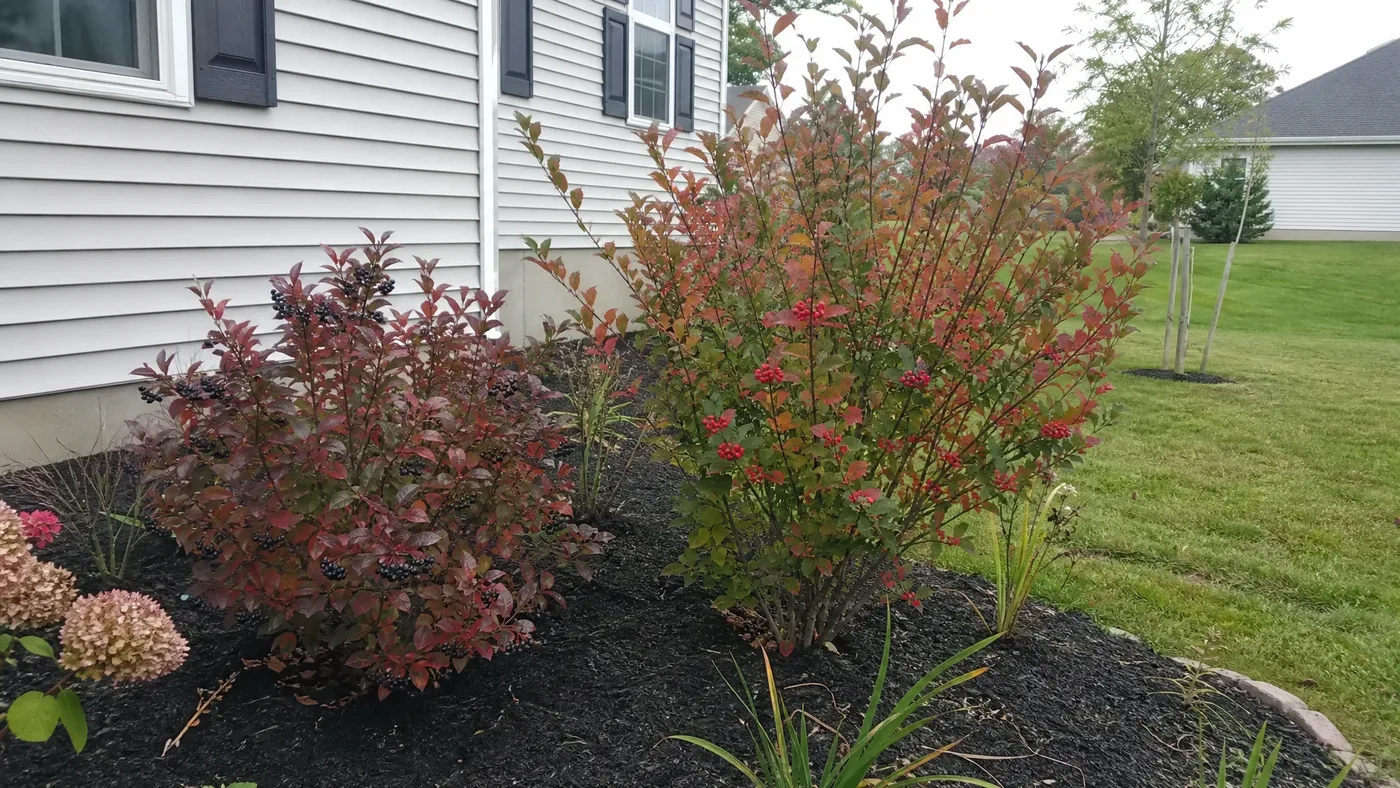
Black Chokeberry vs Red Chokeberry: Which Should You Plant?
Height, fall color, winter berries, soil, and upkeep decide which to plant
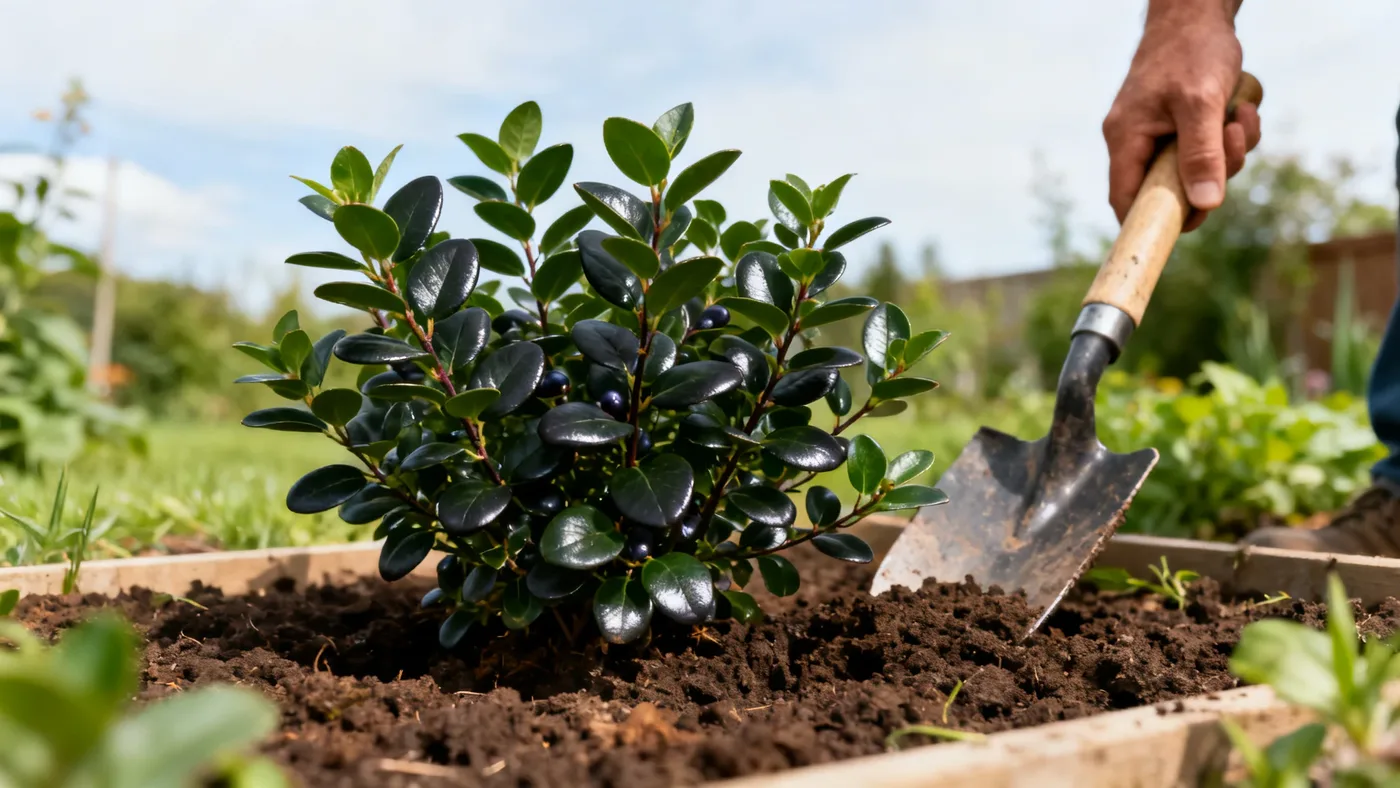
How to Plant a Chokeberry Bush: Site, Timing and Steps
Ideal site, best planting times, and proven techniques
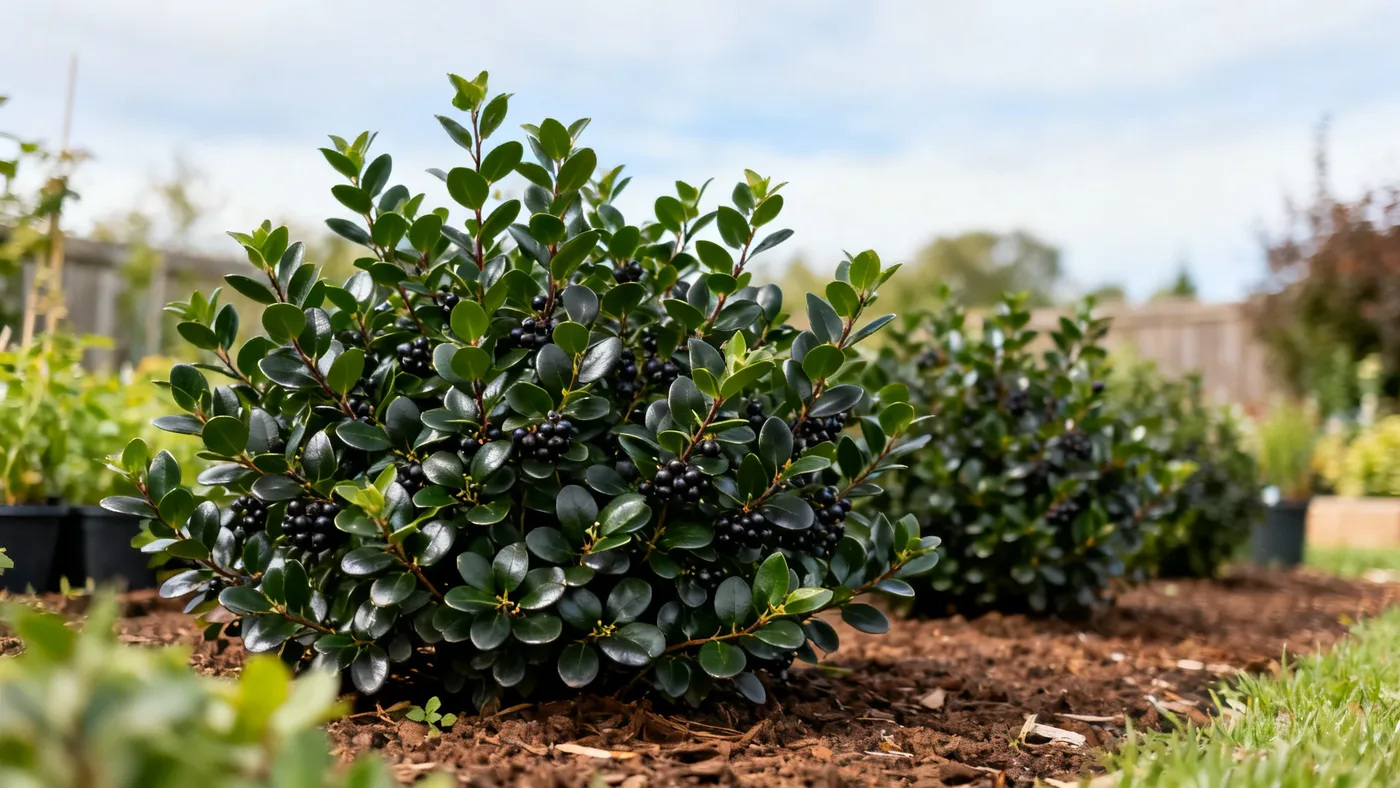
Chokeberry Bush Care: A Complete Growing Guide
Care that brings outstanding fall color across zones 3 to 9
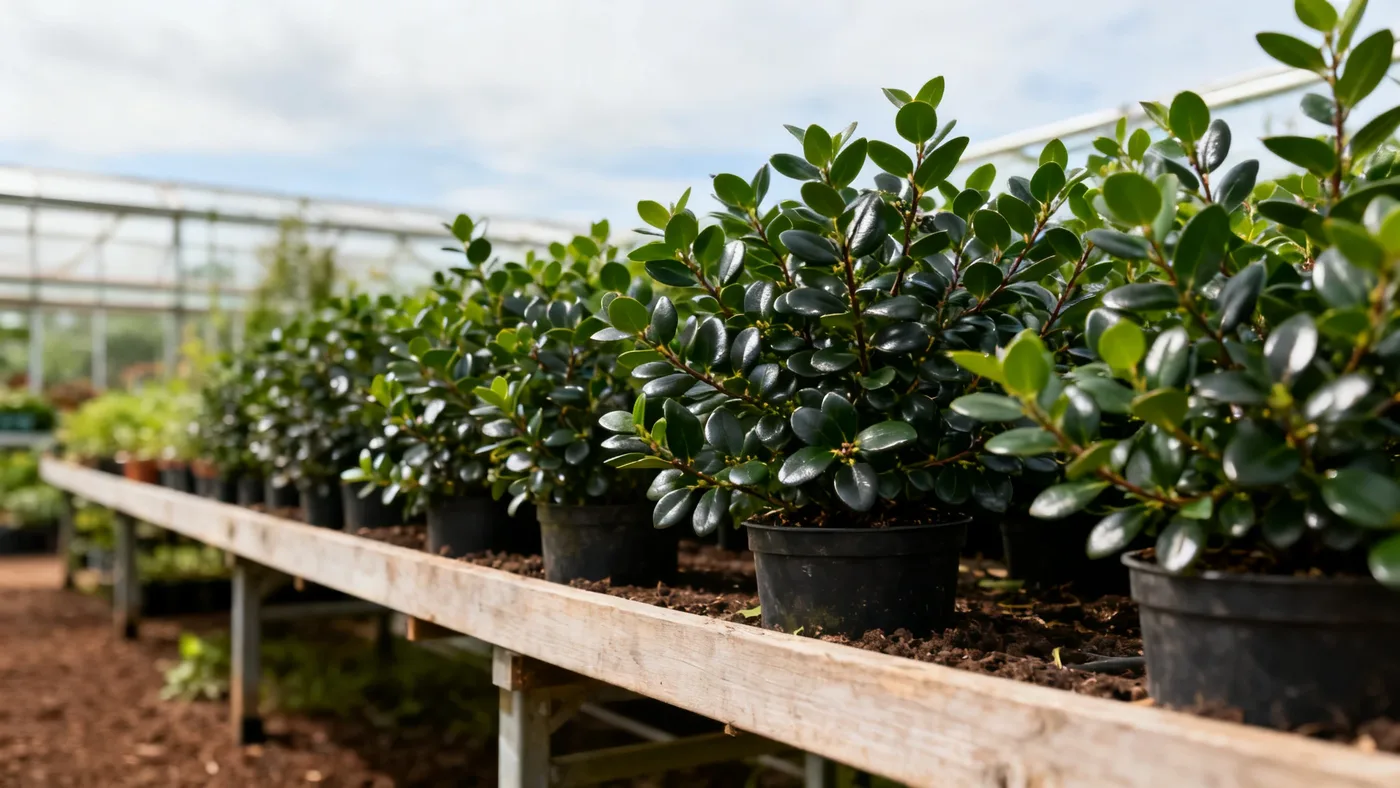
How Big Does a Chokeberry Bush Get? Size and Growth Rate
Mature height, spread, and growth rate of red chokeberry, with spacing
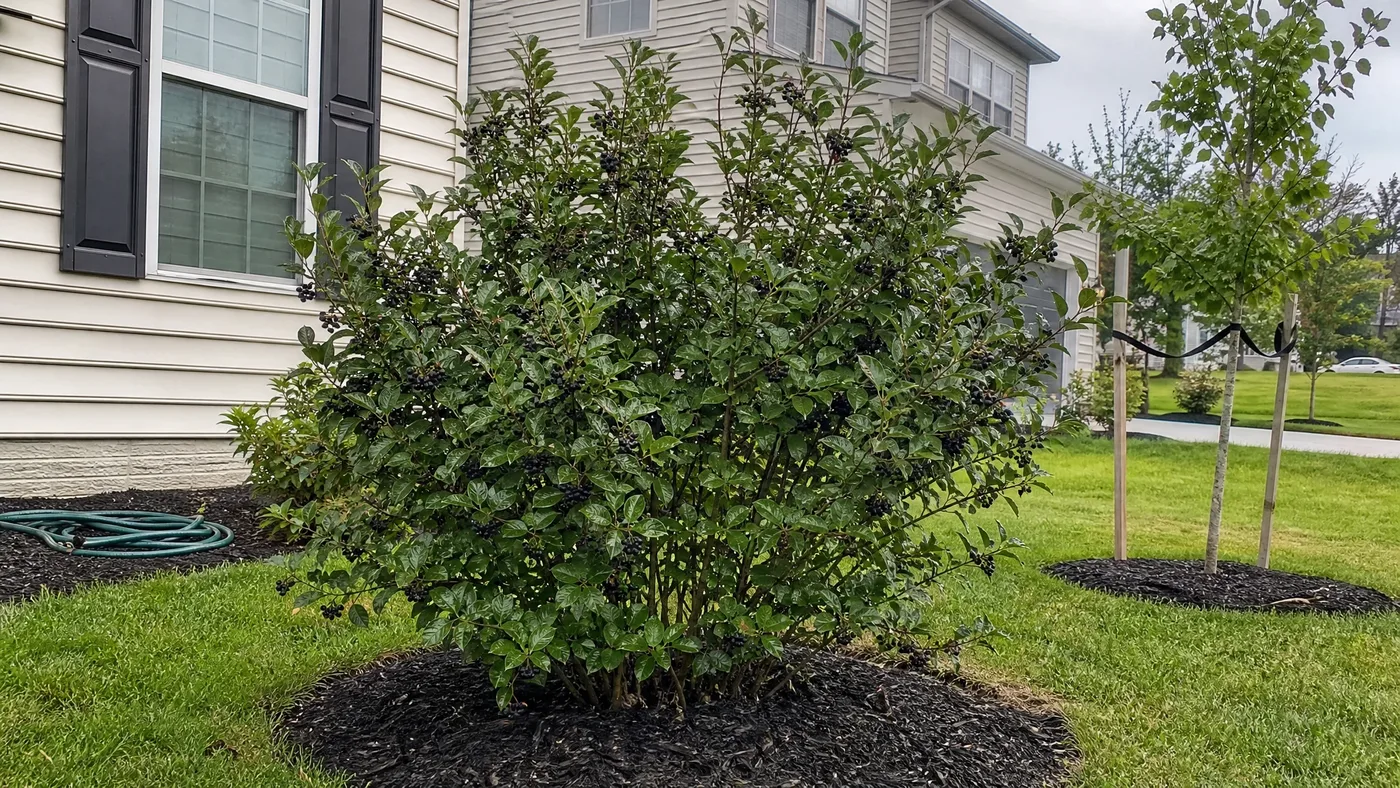
Is Chokeberry Bush a Tree or a Shrub?
Multistemmed and suckering, it is a shrub, and a tree form takes extra work
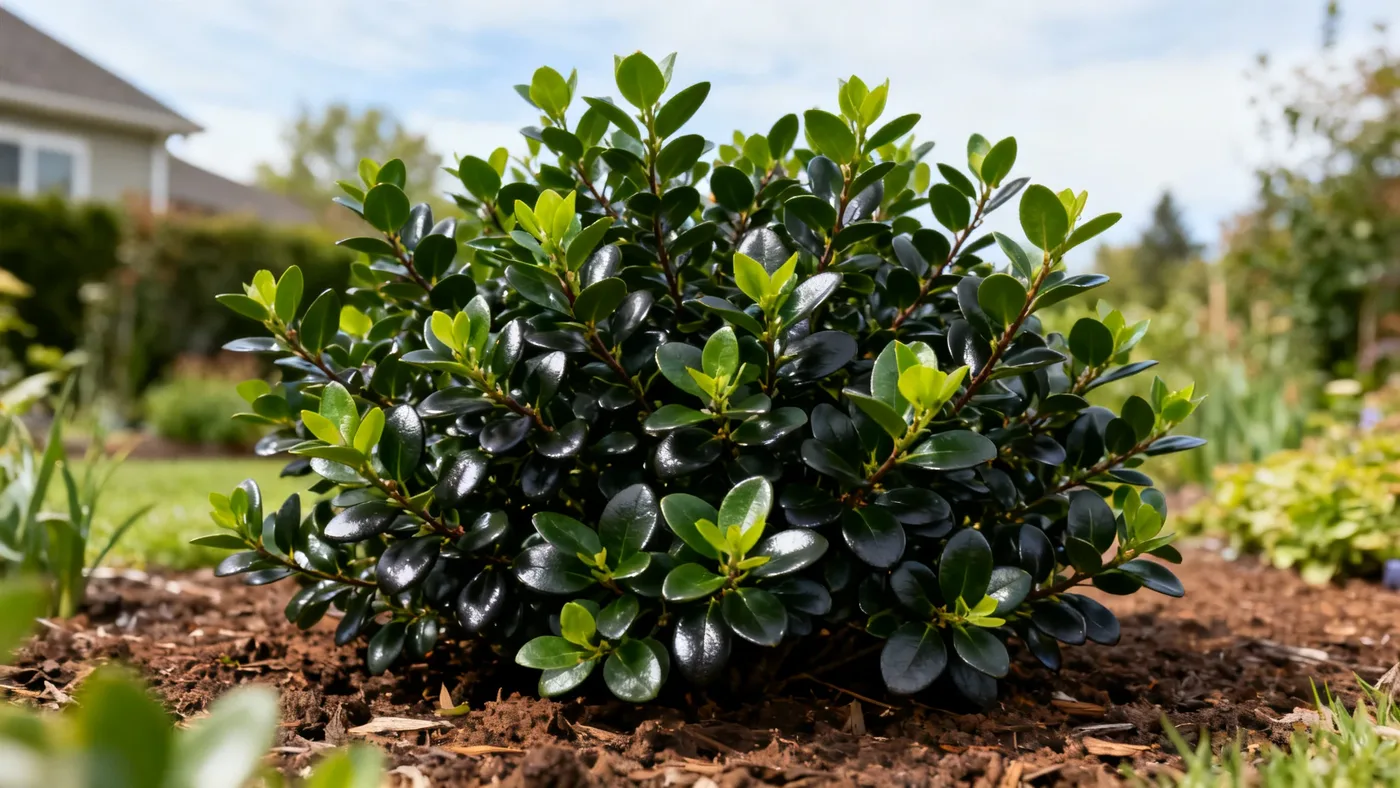
Chokeberry Bush Growing Zones: Where Will It Thrive?
Hardiness, climate, soil, and regional tips for USDA zones 3 to 9
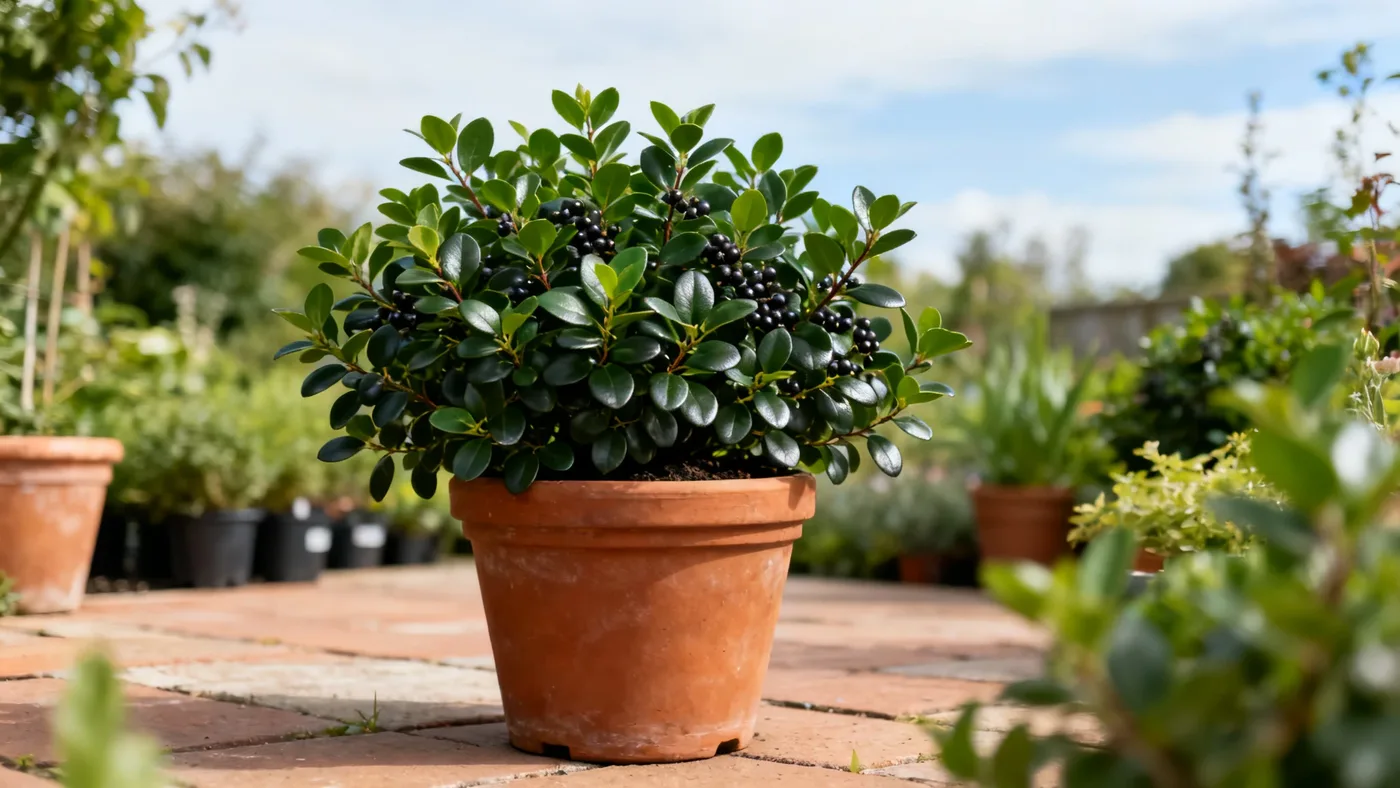
Growing Chokeberry Bush in Containers and Pots
How long a full-size shrub can live in a large pot, and when to plant it out