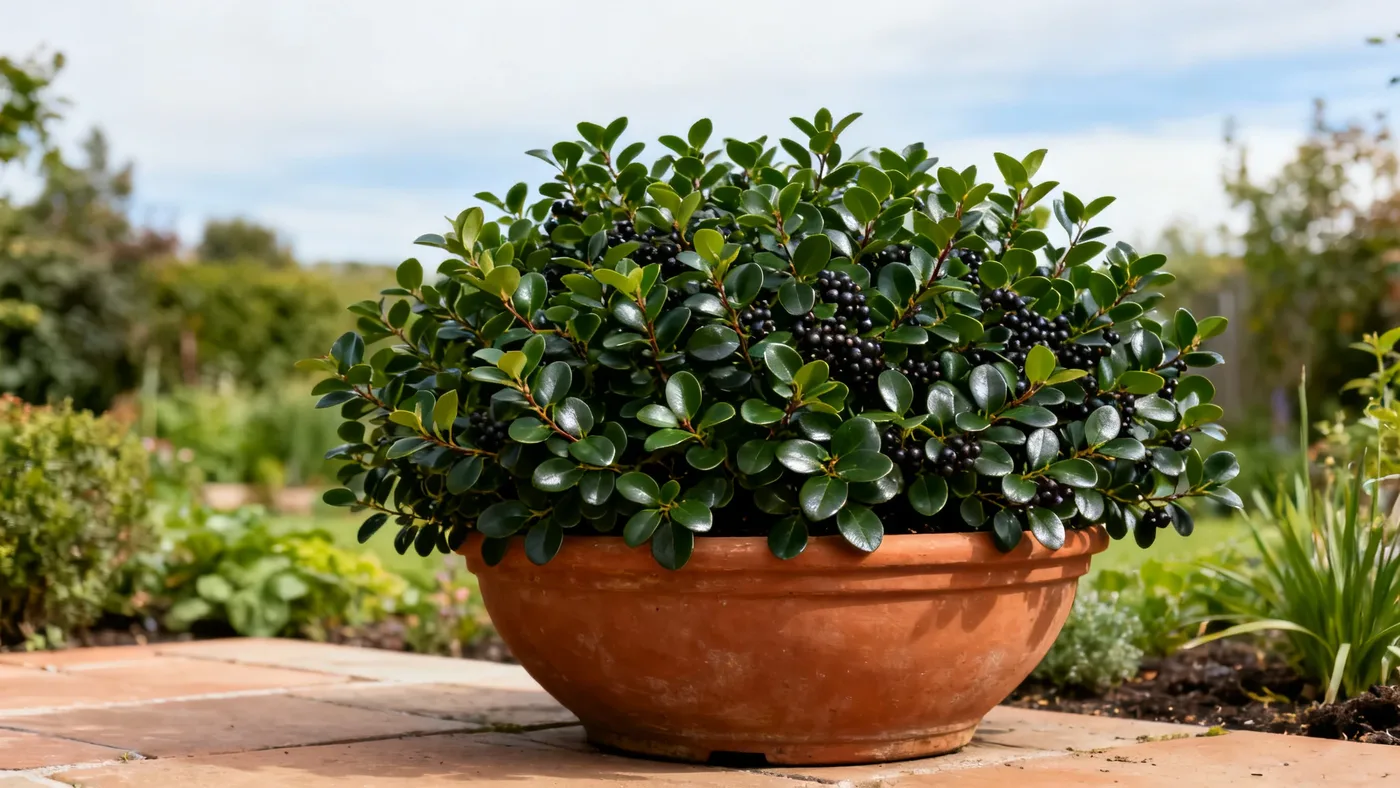
Chokeberry Bush Buying Guide: Best Container Sizes to Choose
A healthy chokeberry bush is a long-term investment in your landscape. When you buy one, you are choosing a shrub that will deliver outstanding fall color (vivid red to orange-red), persistent berries that feed winter birds, and minimal maintenance for the next 20 to 30 years with good care. This guide walks you through what to look for at the nursery, which container size makes sense for your space, and how to spot a plant worth bringing home.
Chokeberry Bush Types: Species vs. Compact Cultivars
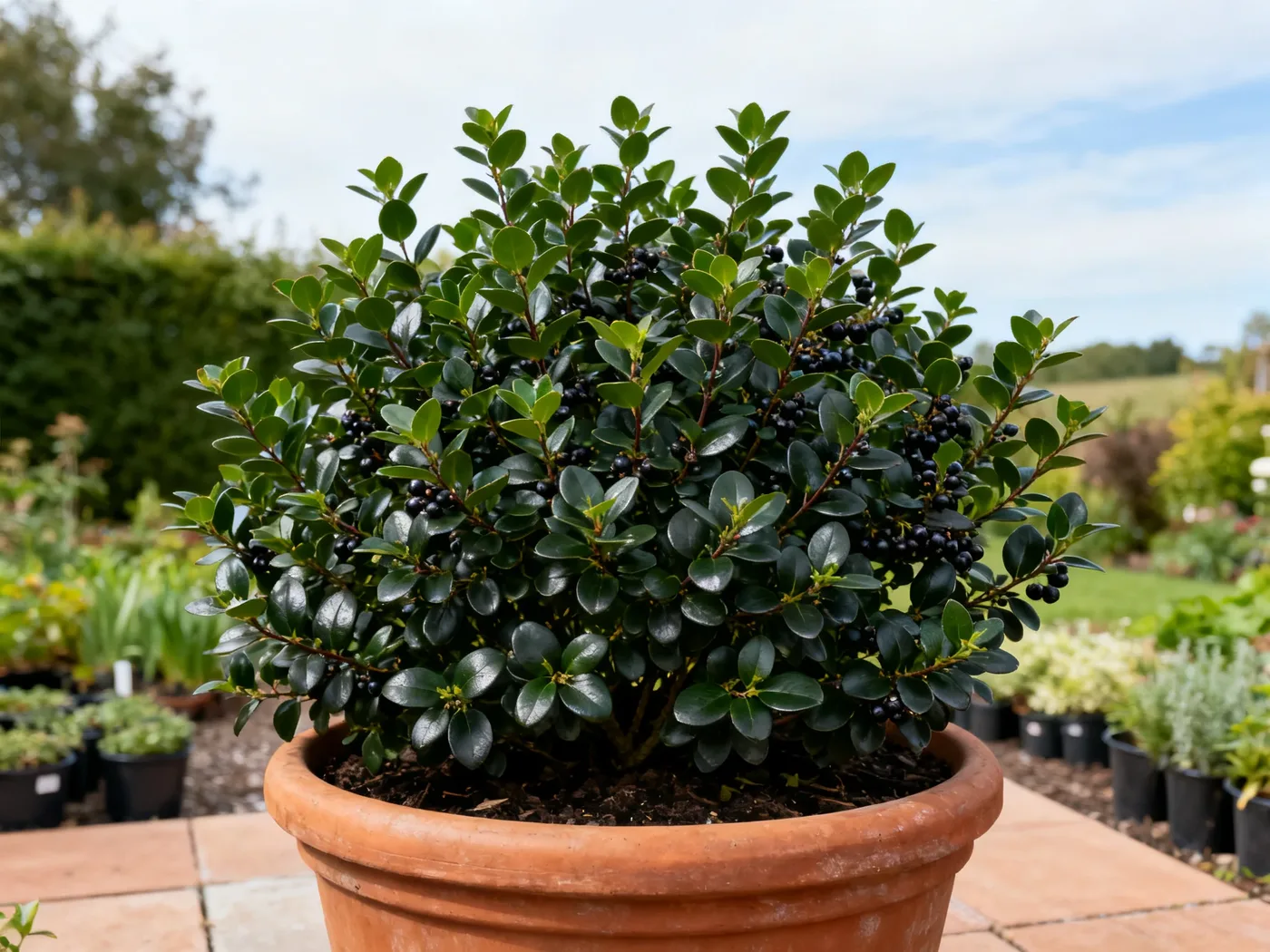
The first decision is which form of chokeberry you need. The species form grows 3 to 6 feet tall and 3 to 6 feet wide, with a suckering habit that helps it colonize space over time. If you are mass planting for a hedge or rain garden, this form is the right choice.
The compact, groundcover-habit cultivars (often labeled as Low Scape Mound or similar trade names) top out at 1 to 2 feet tall and 2 to 3 feet wide. These are ideal for foundation planting, small spaces, and container growing. Both types are hardy in zones 3 through 9, so your location does not limit your choice.
Growth rate is steady but not fast. Plan for about 6 to 12 inches of new growth per year, meaning a small plant takes 3 to 5 years to reach mature size. This is normal for shrubs in the Rosaceae family and reflects a hardy, stable plant, not a weak one.
What to Look For: Quality Indicators at the Nursery
When you walk up to a chokeberry plant on the shelf, inspect it like you would any living investment.
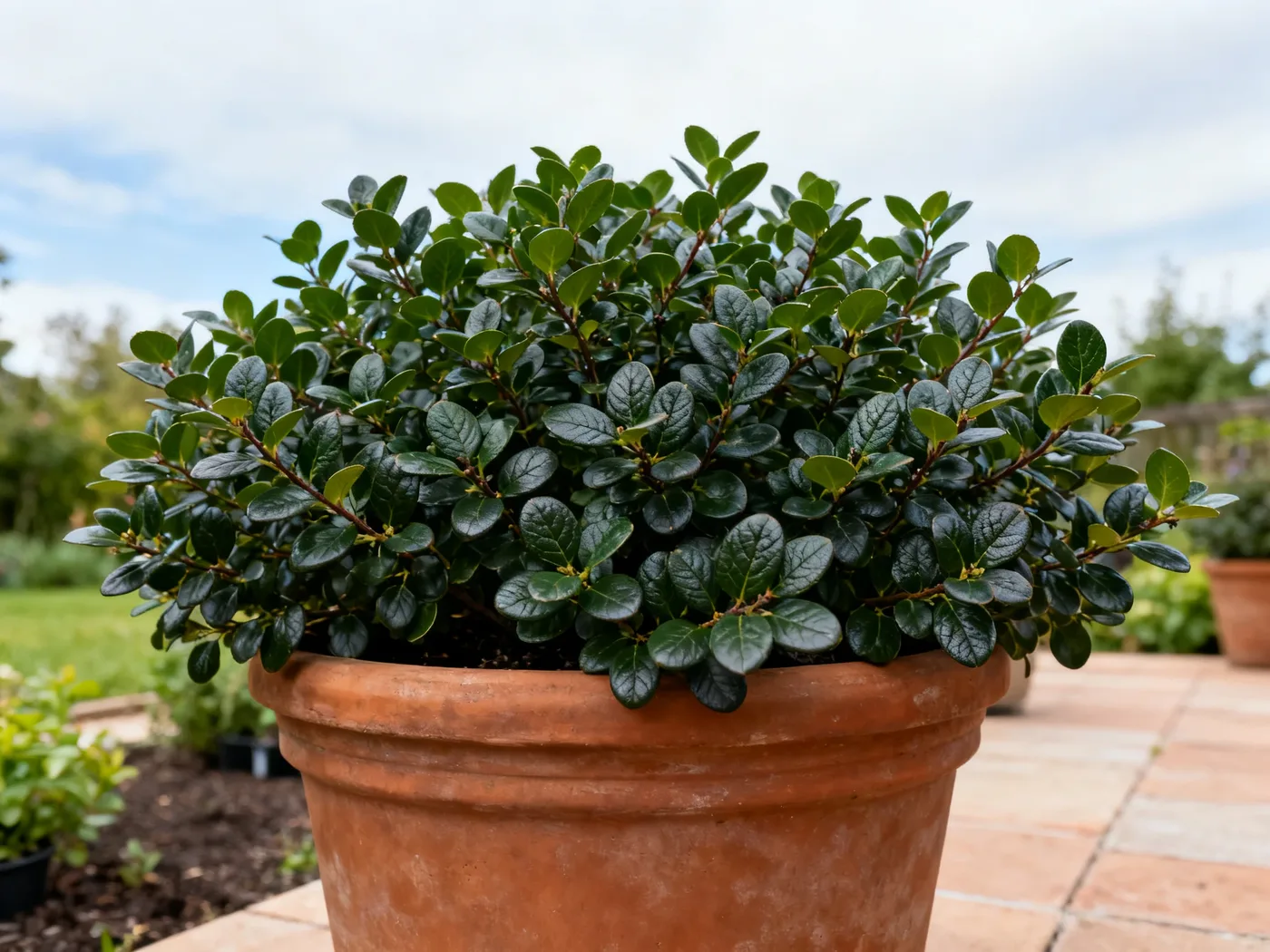
Foliage. Healthy chokeberry leaves are glossy and dark green. There should be no yellowing, spotting, or visible pests. A few minor marks are normal, but avoid plants with large areas of discolored or missing leaves. Leaves are oval and arranged neatly along the stems. If leaves look dull, sparse, or pale, the plant may be stressed from poor watering or nutrient issues at the nursery.
Stems and Structure. The stems should be firm and woody. Gently bend a twig. It should flex without snapping but not feel rubbery or mushy. Stems with wet, soft bark or visible damage indicate root or disease problems. Look for a balanced shape. Young plants do not need to be perfectly pyramidal, but there should be multiple stems branching from the base, not a single weak cane.
Root Health. Slide the plant out of its pot (ask permission first). Healthy roots are light tan to white and fill the soil without becoming a solid mat or circling tightly around the ball. A few roots at the surface are fine. Heavy root circling suggests the plant has been in its pot too long and may struggle to establish. Soil should feel moist but not waterlogged. If it drains water immediately or smells like rot, move on.
No Visible Pests or Disease. Inspect the leaf undersides and stem joints for aphids, scale insects, or webbing. Chokeberry is generally pest-resistant, so a pest problem at the nursery is a red flag. Look for no obvious fungal spotting, rust, or stem cankers.
Container Sizes and What They Mean for Your Garden
Nurseries sell chokeberry in different container sizes. Understanding what each size represents helps you choose the right plant for your timeline and budget.
Quart Containers (1 quart). These are small plants, often 6 to 12 inches tall. They are the least expensive option and are ideal if you are mass planting for a hedge or have patience for growth. Plant them in early spring or fall for the best establishment. They will need reliable watering for their first season and will take closer to 5 years to reach mature size. If you are planting 6 or more for a mass effect, quart-size plants are cost-effective.
#1 Containers (1 gallon). This is the most common size for retail nurseries. Plants are typically 12 to 18 inches tall and well-developed. A #1 plant gives you a good balance of price and maturity. It establishes quickly (within 1 to 2 seasons if watered consistently) and looks reasonably full at planting time. For single plants or small groups, a #1 container is the sweet spot.
#3 Containers (3 gallons). These are larger, more mature plants, often 18 to 24 inches tall (or wider for the compact cultivars). They command a higher price but arrive more instantly gratifying in the landscape. A #3 plant reaches mature size faster and is a good choice if you want a full-looking hedge or foundation planting sooner. For containers and for immediate visual impact, #3 is worth the cost.
Larger specimens (5 to 7 gallons) are occasionally available but rare in the retail market. They are specialty ordered and priced accordingly. Unless your design calls for an unusually large specimen, #3 containers are the practical upper limit.
Choosing the Right Cultivar for Your Space
If the nursery stocks named cultivars rather than generic chokeberry, here are the main ones worth asking about.
'Autumn Magic' and 'Viking'. Both are species-form selections bred for reliable, bright fall color. They reach 3 to 6 feet and are excellent for mass plantings and rain gardens. Both fruit heavily and attract birds. If the nursery does not label a plant with a cultivar name, it is likely one of these standards.
'Iroquois Beauty'. Another species-form choice with strong ornamental traits. Performs well across zones 3 to 9.
Low Scape Mound / Low Scape Snowfire. These are the compact groundcover cultivars. Low Scape Mound is typically 1 to 2 feet tall and 2 to 3 feet wide. They are perfect for smaller spaces, foundation plantings, and containers. Some gardens and landscapers specify these by name because they are more manageable in tight spaces.
Ask the nursery staff which cultivar they are selling. If they say it is just generic Aronia melanocarpa or Black Chokeberry, that is fine, it will still be a good plant. Cultivar names are not absolute guarantees of superiority, just different breeding lines that may offer slight differences in habit or color intensity. Any healthy specimen will deliver the outstanding fall color and reliable performance this plant is known for.
Key Features to Compare Before You Buy
Sun Exposure at Home. Chokeberry tolerates full sun to part shade. Best fall color and fruiting happen in full sun. If your planting spot gets 4 to 6 hours of direct sun, you will still get good results, but fall color and berry abundance may be less intense. Ask yourself before you buy whether your location is sunny or shaded. Do not buy a full-sun-focused plant if you are planting it in afternoon shade and expecting vivid October color.
Soil Drainage. Chokeberry is highly adaptable to clay, loam, or sandy soils. It tolerates both consistently moist soil and moderate drought once established. However, at the nursery, inspect the soil moisture in the pot. If it is bone-dry with gaps between soil and pot wall, the plant has been under stress. If it is soggy and smells like compost, it may have root damage. Aim for moist but well-draining soil in the container.
Cold Hardiness. Chokeberry is hardy in zones 3 through 9. If you live outside this range, it is not suitable. If you live within this range, any nursery chokeberry will survive winters. Confirm your hardiness zone with your local extension service if you are unsure.
Deer Resistance. Chokeberry has good to high deer resistance. If browsing by deer is a concern in your area, this plant is a dependable choice. This is one of the features that make it attractive for native-plant and wildlife gardens.
Red Flags: What to Avoid
Do not buy a chokeberry plant with yellowing leaves unless the nursery can explain it clearly. Minor chlorosis (pale yellow leaves with green veins) can develop in very alkaline soil. If the plant is growing in neutral or slightly acidic soil (pH 5.0 to 7.0), yellowing suggests a watering or nutrient issue, not a soil pH problem. Acidic to neutral soil is ideal, so if the nursery is not sure of their soil pH, ask.
Avoid plants with soft or mushy stems, visible fungal growth, or obvious pest infestations. These problems rarely resolve once planted. A diseased plant may spread issues to nearby plantings.
Do not buy a plant that is severely pot-bound with roots completely circling the soil ball. Some root circling is normal, but severe circling means the plant has been in its container too long and may not establish well.
Skip plants with very sparse foliage or only one or two main stems. Chokeberry should have multiple stems branching from the base, creating a fuller habit. A leggy, single-stemmed plant takes longer to develop into an attractive shape.
Do not assume a larger container always means a better plant. A healthy 1-gallon (quart or #1) plant will often outperform a stressed 3-gallon plant. Quality matters more than size.
Where to Buy Chokeberry Bush
Local nurseries and garden centers are your best option. You can inspect plants in person, ask staff questions, and get advice specific to your climate and soil. Staff can often tell you what cultivar you are buying and whether it is suited to your space.
Mail-order nurseries and online retailers ship bare-root or potted chokeberry. Shipping takes time, so confirm the plant arrives in good condition. Bare-root plants must be planted immediately upon arrival. Potted plants are more forgiving of shipping delays.
Big-box retailers (garden sections of large hardware and home-improvement chains) sometimes stock chokeberry, particularly the compact Low Scape cultivars. Quality is variable. Inspect the plant carefully for the signs of health listed above before buying. Staff expertise is often limited, so come prepared with your questions.
Specialty native-plant nurseries are excellent sources. They often carry multiple cultivars and can advise on which is best for rain gardens, wildlife plantings, or other specific uses.
Landscape suppliers occasionally sell chokeberry in bulk for designers and contractors. If you are ordering large quantities, bulk pricing is available through these channels.
Buying for Container Growing
If you are planting chokeberry in a container, the compact cultivars (Low Scape Mound type) are the right choice. They stay 1 to 2 feet tall and 2 to 3 feet wide, fitting naturally into pot sizes from 5 to 10 gallons. Larger containers reduce watering frequency and give roots room to develop. Use a quality potting soil, not garden soil, for better drainage. Plan to water consistently during the growing season. Container plants benefit from a light annual feeding with balanced, slow-release fertilizer in early spring.
After You Buy: First Steps
Plant your chokeberry in early spring or fall for best establishment. Dig a hole as deep as the root ball and about 1.5 times wider. Set the plant so the top of the soil ball is level with or slightly above ground. Backfill with soil, water thoroughly, and mulch around the base (not against the stems). Water consistently for the first season, especially during dry spells. After the first year, chokeberry is moderately drought-tolerant, though it prefers consistent moisture.
For detailed care after planting, refer to our complete Chokeberry Bush growing guide.
Quick Reference: Buying Checklist
| What to Check | Healthy Plant | Red Flag |
|---|---|---|
| Foliage Color | Glossy dark green, no yellowing | Pale, yellow, or dull leaves |
| Stem Quality | Firm, woody, multiple stems from base | Soft, mushy, or single weak cane |
| Roots (slide out pot) | Light tan to white, moist soil, minimal circling | Dry soil, severe root circling, wet/rotting smell |
| Pests & Disease | No visible insects, spotting, or webs | Aphids, scale, fungal spots, or stem cankers |
| Container Size | Quart to #3 (1 to 3 gallons) | None if healthy plant inside |
| Cultivar | Named cultivar OR generic Aronia melanocarpa | None if plant is healthy (cultivar is a bonus) |
| Hardiness | Hardy in zones 3-9 | Sold for zones outside 3-9 |
| Price vs. Quality | Matches the plant's size and health | Suspiciously cheap for good-looking plant |
Take your time at the nursery. A healthy chokeberry bush is a dependable landscape investment that will reward you with 20 to 30 years of reliable performance, stunning fall color, and bird-friendly berries. Inspect before you buy, and you will bring home a plant that thrives.