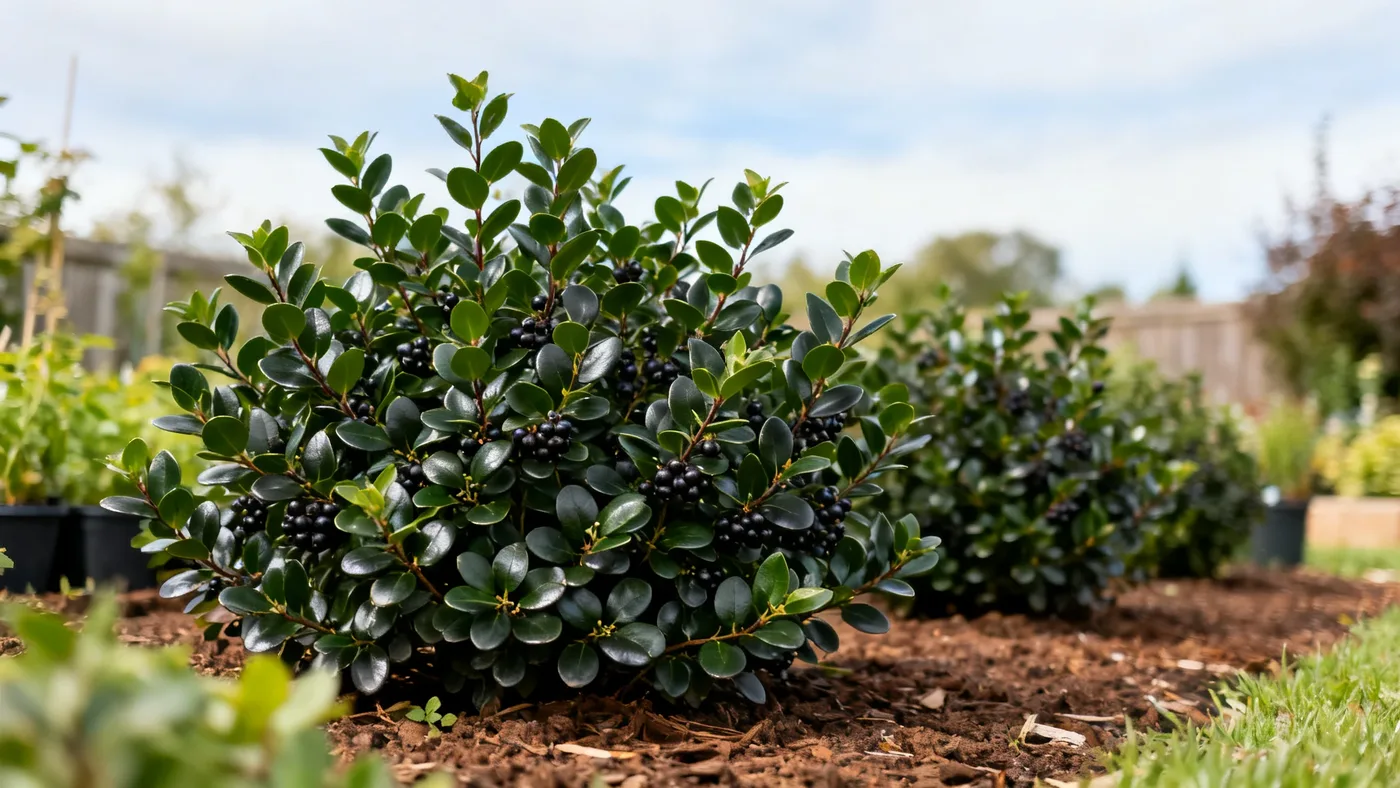
Chokeberry Bush Care: A Complete Growing Guide
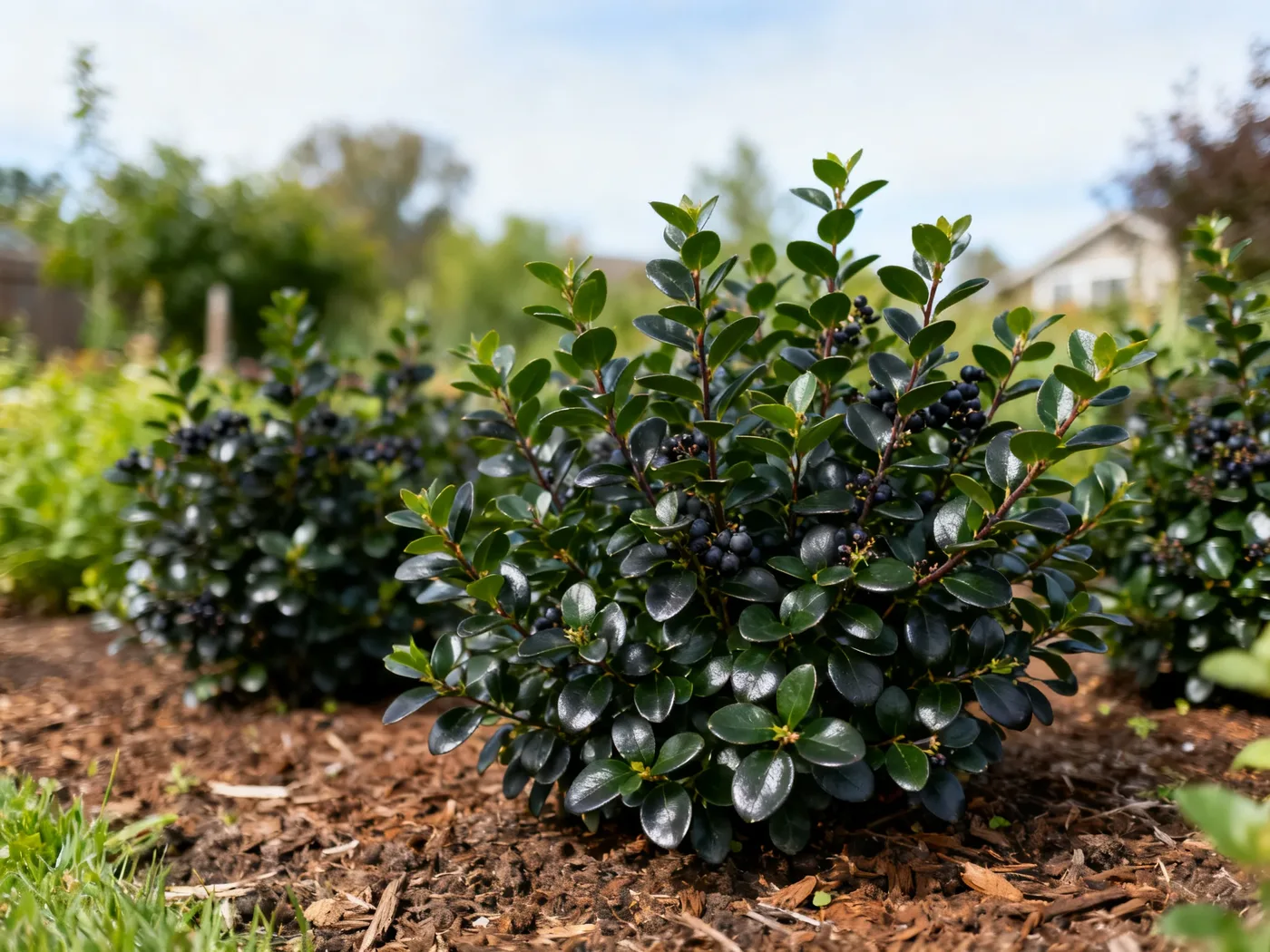
Chokeberry Bush (Aronia melanocarpa), also known as Black Chokeberry or simply Aronia, is one of the most reliable and low-maintenance shrubs for home gardens across much of North America. Whether you're a beginner or an experienced gardener, this deciduous shrub rewards you with glossy dark green foliage, delicate spring blooms, and absolutely stunning fall color. The persistent dark purple-black berries that follow provide winter interest and are an invaluable food source for songbirds through the colder months. Best of all, chokeberry thrives in zones 3 through 9, making it suitable for gardens from the Upper Midwest to the Deep South.
Table of Contents
- Choosing the Right Site and Planting Chokeberry Bush
- Watering and Soil Requirements
- Pruning and Routine Maintenance
- Seasonal Care Calendar
- Managing Pests and Diseases
- Landscape Design and Companion Plants
- Propagating Your Chokeberry
Key Takeaways
- Plant chokeberry in zones 3 to 9; it reaches 1 to 2 feet tall in compact cultivars or up to 3 to 6 feet in species forms
- Choose full sun to part shade, with full sun delivering the best fall color and berry production
- Soil doesn't need to be perfect: chokeberry adapts to clay, loam, and sandy soils, though it prefers consistently moist conditions
- Water moderately once established; this shrub tolerates wet sites and moderate drought
- Prune right after flowering or in late winter to maintain shape and remove dead wood
- This shrub is highly deer-resistant and pest problems are generally minor
- Expect flowers within 2 to 3 years of planting and full mature size in 3 to 5 years
Choosing the Right Site and Planting Chokeberry Bush
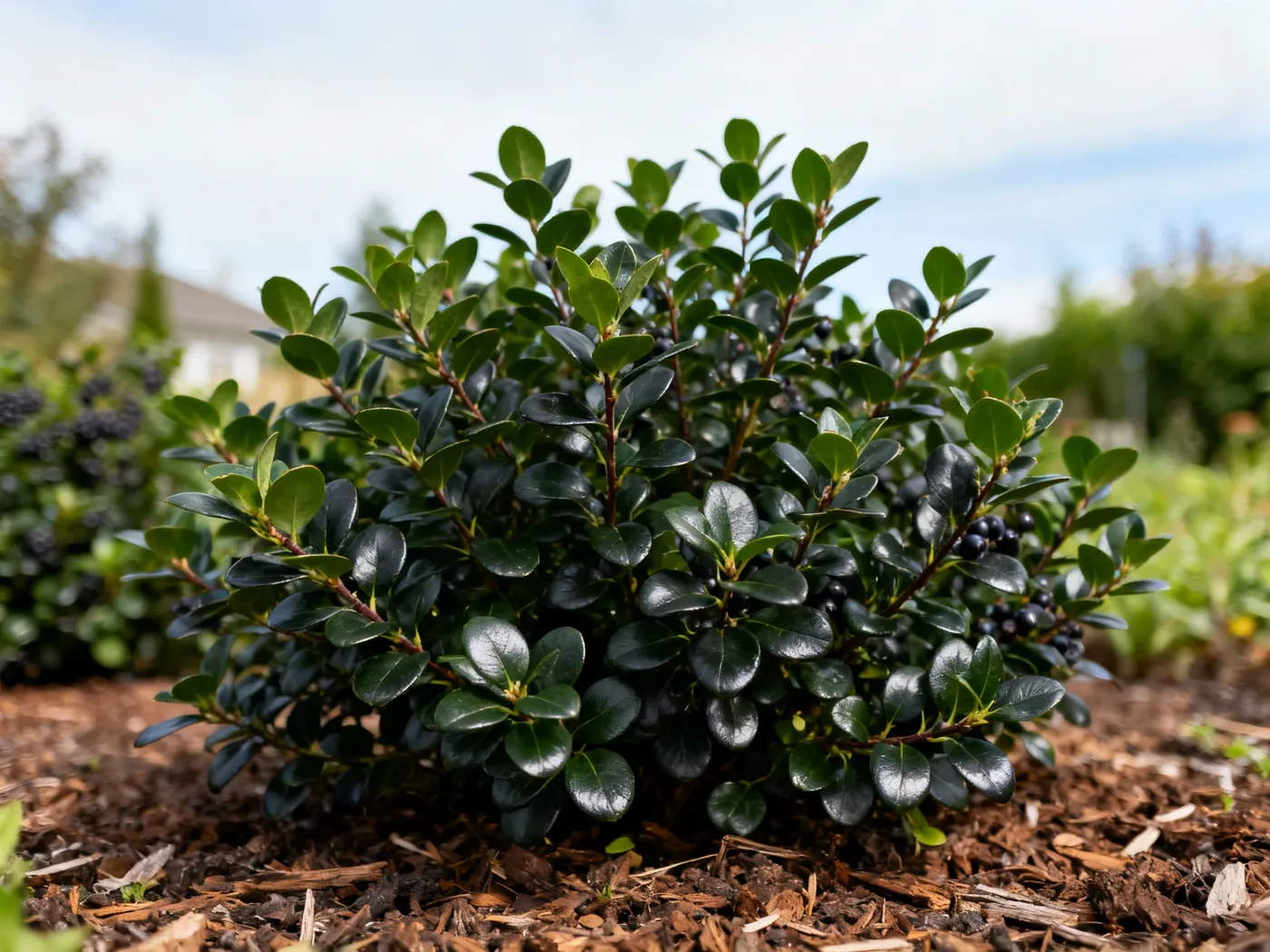
The first step to success is picking the right location. Chokeberry grows in both full sun and part shade, but full sun will give you the most vibrant fall color and the heaviest berry production. If you live in a hot climate, afternoon shade can help prevent stress in extreme heat, though the plant is remarkably adaptable.
Chokeberry is native to Eastern North America, where it grows in swamps, bogs, and moist woodland edges. This heritage means it tolerates wet and poorly drained soil better than many ornamental shrubs. If your garden has a rain garden or a low spot that stays damp in spring, chokeberry is an excellent choice. The shrub is equally at home in average, well-drained soil once established.
Plant chokeberry in early spring or fall. If you're planting a compact cultivar (the Low Scape types that grow 1 to 2 feet tall), space plants 2 to 4 feet apart for hedging or mass planting. The larger species forms, which reach 3 to 6 feet, can be spaced wider because of their suckering habit. Dig a hole as deep as the root ball and twice as wide. Backfill with native soil; chokeberry doesn't require soil amendments, though adding compost won't hurt.
Watering and Soil Requirements
Chokeberry prefers consistently moist soil but is forgiving if conditions aren't perfect. Young plants benefit from regular watering during their first growing season, especially during hot, dry stretches. Water deeply once or twice weekly, depending on rainfall and heat. Once established (roughly by year two), chokeberry is moderately drought-tolerant and won't need supplemental water in most climates except during severe dry spells.
This shrub is highly adaptable to soil types. It grows well in clay, loam, and sandy soils. The key is that it prefers soil with a pH between 5.0 and 7.0 (acidic to neutral). In strongly alkaline soils above pH 7.5, you may see yellowing of the foliage (chlorosis) as the plant struggles to access certain nutrients. If you suspect high soil pH, a soil test from your local extension office will tell you exactly what you're working with. A thick organic mulch (2 to 3 inches) applied around the base conserves moisture and moderates soil temperature.
Chokeberry also tolerates moderate salt, making it suitable for coastal gardens or areas where road salt is applied in winter.
Pruning and Routine Maintenance
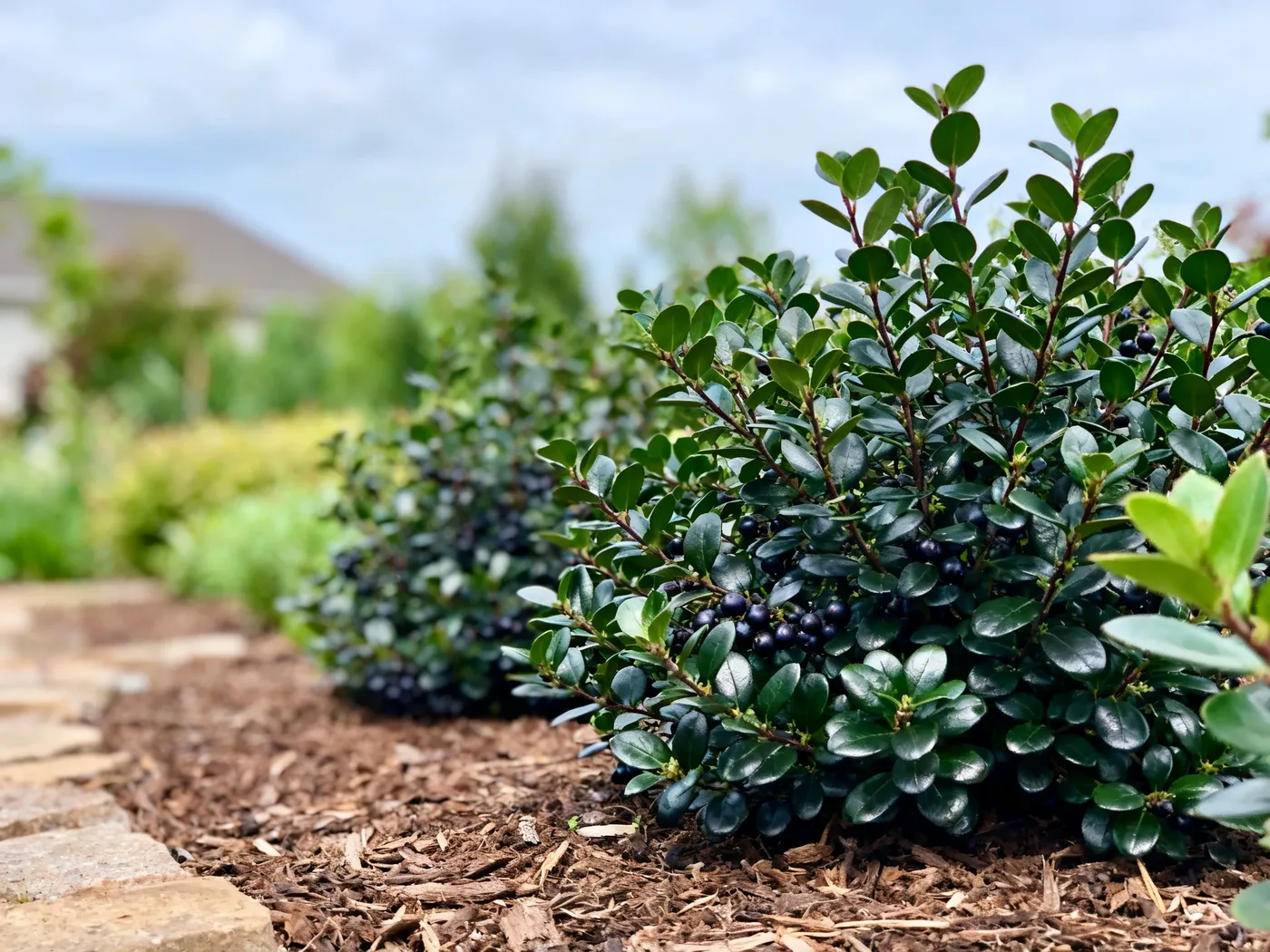
One of the best things about chokeberry is that it requires minimal pruning. For best results, prune right after flowering (late spring) or in late winter before new growth appears. Remove any dead wood, crossing branches, or canes that look diseased. Thin out dense interior growth if needed to improve air circulation.
The compact cultivars rarely need shaping and can be left to develop naturally. If you're growing a larger species form and it develops a rangy appearance, you can cut back stems to encourage bushier growth. Chokeberry recovers quickly from pruning.
Fertilizing is light work. Apply a balanced, slow-release fertilizer in early spring once per year. A 10-10-10 or similar all-purpose formula is plenty. This plant is not a heavy feeder, and over-fertilizing can actually reduce the intensity of fall color.
Watch for suckers (shoots arising from the roots) on the species form. In a naturalistic landscape or mass planting, you may welcome them. In a foundation bed, you can cut them back or dig them out as they appear.
Seasonal Care Calendar
| Season | Tasks |
|---|---|
| Spring | Apply spring fertilizer in early April. Check soil moisture and water if dry. Prune dead or damaged wood before new growth. Watch for emerging pests like aphids and scale insects. |
| Late Spring | Enjoy white to pale pink flowers (typically April to May, varies by zone). This is a good time to deadhead spent flowers if desired, though it's not necessary. Prune immediately after flowering to shape the shrub. |
| Summer | Water during dry spells. Berries develop and mature to dark purple-black. Monitor for pests and diseases, particularly in humid regions. Summer is a good time to take softwood cuttings for propagation. |
| Fall | Admire the outstanding vivid red to orange-red fall color. No watering needed in most climates. Refrain from pruning; cutting back now removes berries birds depend on. |
| Winter | The persistent dark berries provide visual interest and food for birds through winter. No maintenance needed. Late winter (February or March) is an alternative time to prune if you missed spring. |
Managing Pests and Diseases
Chokeberry is a tough plant. Serious pest and disease problems are uncommon, especially if you keep the shrub in good health. Watch for these occasional issues:
Aphids and scale insects occasionally appear on young growth. These are typically minor and controlled by pruning out affected growth or spraying with insecticidal soap if infestations are heavy. Ensuring good air circulation through pruning helps prevent buildup.
Leaf spot and rust can occur in humid summers but rarely warrant treatment on an ornamental shrub. Remove badly spotted leaves and improve drainage and air flow if disease becomes widespread.
Fire blight is a Rosaceae family concern in warm, wet springs. If you see blackened, wilted branch tips, prune them off immediately and sterilize pruners between cuts. This is rare on chokeberry.
Chokeberry is highly deer-resistant, so wildlife damage is not a concern.
Landscape Design and Companion Plants
Chokeberry shines in several landscape roles. Mass plantings of compact cultivars create a dependable groundcover with outstanding seasonal interest. In foundation plantings, its moderate mature size (1 to 2 feet for compact types) fits well without overwhelming a home's entrance. Rain gardens and wet-site plantings benefit from chokeberry's tolerance of moisture. Native plant gardens and pollinator gardens gain both spring flowers (which attract bees) and berries for songbirds.
Pair chokeberry with compatible shrubs and perennials. Switchgrass and other ornamental grasses complement the berry structure and fall color. Purple coneflower (Echinacea) blooms while chokeberry flowers and echoes the wildlife benefits. Sweetspire (Itea virginica) and summersweet (Clethra alnifolia) share similar moisture preferences and create a coordinated seasonal display.
Compact cultivars are suitable for containers, particularly on patios or decks where you want to enjoy the berries and fall color up close.
Propagation Methods
If you want to grow more chokeberry, you have three options: softwood cuttings, division of rooted suckers, and seed.
Softwood cuttings are easiest for home gardeners. In summer, take 4- to 6-inch cuttings from new, flexible growth. Remove leaves from the lower third, dip the base in rooting hormone, and insert into a moist propagation medium (peat or perlite mix). Keep the cutting humid and warm until roots form, typically in 4 to 6 weeks.
Division of rooted suckers works if your plant has already produced young shoots with their own roots. Dig carefully and separate a sucker with roots attached, then replant it in its new location.
Seed propagation requires cold stratification. Collect ripe berries in fall, extract and clean the seed, then stratify in moist sand or peat in a refrigerator for 60 to 90 days before sowing in spring. Seed-grown plants flower within 2 to 3 years.
Quick Reference: Chokeberry Bush Care Checklist
| Care Factor | Details |
|---|---|
| Hardiness zones | 3 to 9 |
| Mature height (compact cultivars) | 1 to 2 feet |
| Mature width | 2 to 3 feet |
| Growth rate | 6 to 12 inches per year |
| Years to first flowers | 2 to 3 years |
| Years to mature size | 3 to 5 years |
| Lifespan | 20 to 30+ years |
| Light requirement | Full sun to part shade; full sun best for fall color |
| Water need | Moderate; tolerates wet and moderate drought when established |
| Soil preference | Adaptable to clay, loam, sandy; ideally pH 5.0 to 7.0 |
| Spacing (mass planting) | 2 to 4 feet apart |
| Flower time | Mid to late spring (April to May, varies by zone) |
| Flower color | White to very pale pink |
| Fall color | Vivid red to orange-red |
| Berry color and persistence | Dark purple-black, persistent into winter |
| Pruning time | Right after flowering or late winter |
| Fertilizing | Light annual feeding with balanced, slow-release formula in early spring |
| Deer resistance | High |
| Container suitable | Yes (compact cultivars especially) |
| Common pests | Aphids, scale insects, occasional borers |
| Common diseases | Leaf spot, rust, occasional fire blight |