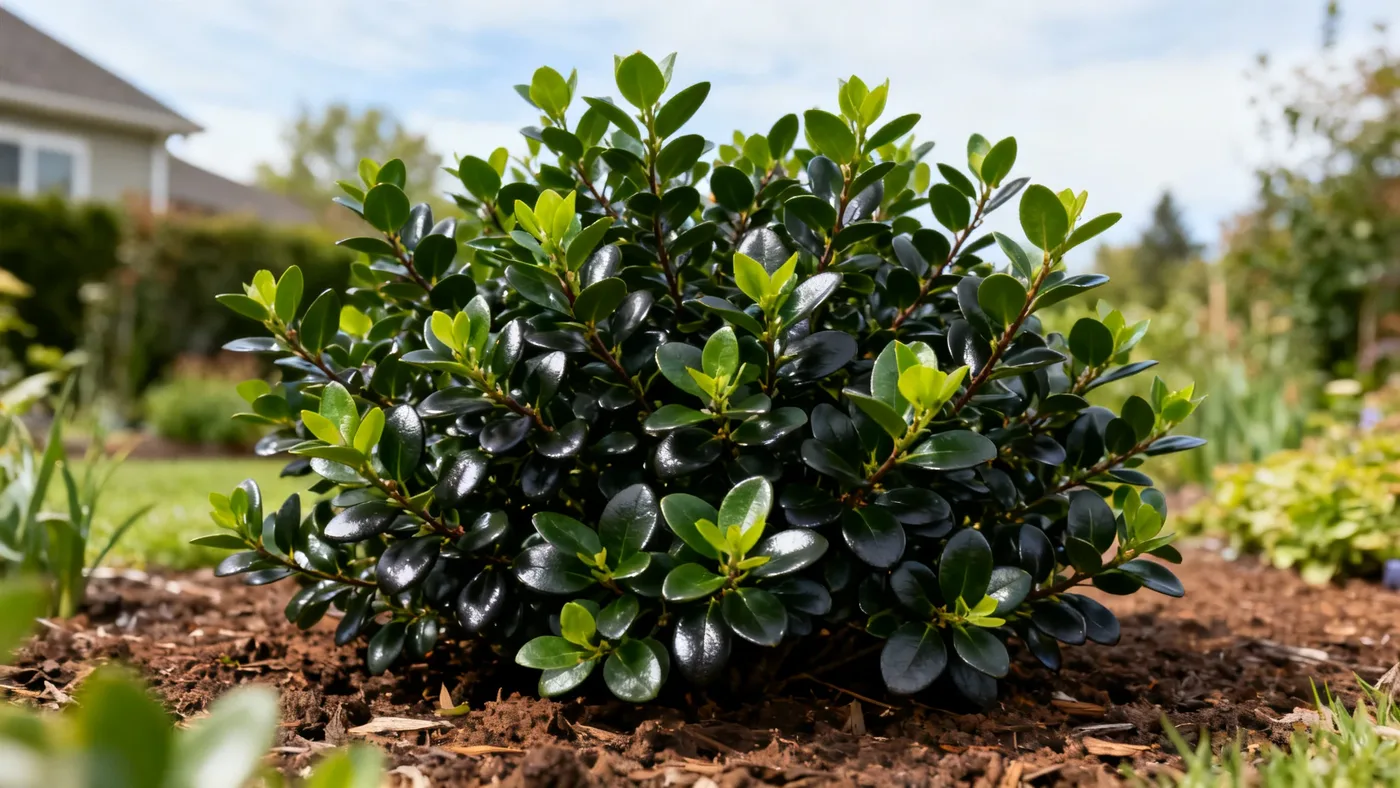
Chokeberry Bush Growing Zones: Where Will It Thrive?
Zone and Hardiness
What USDA zones does chokeberry bush grow in?
Chokeberry bush (Aronia melanocarpa) thrives in USDA zones 3 through 9, making it one of the hardiest ornamental shrubs for home gardeners and landscapers. This range spans from approximately -40 degrees Fahrenheit winter lows in zone 3 to 20 degrees Fahrenheit in zone 9, covering most of North America. The plant's native distribution across Eastern North America from Newfoundland and Ontario south to the Appalachians and Gulf Coast explains its exceptional cold and heat tolerance.
Is chokeberry bush hardy in zone 3?
Yes, chokeberry bush is fully hardy in zone 3 without any winter protection. It grows naturally throughout the coldest regions of Eastern North America, making it a reliable choice for Maine, Vermont, New Hampshire, and upstate New York gardens. You can plant it confidently knowing it will survive the most severe winters in its northern hardiness range.
Can I grow chokeberry bush in zone 9?
Chokeberry bush grows successfully in zone 9, the warmest part of its hardiness range, though it performs best in zones 3 through 8. In zone 9, provide afternoon shade during hot summers and maintain consistent soil moisture to help the plant thrive. Fall color may be less intense in warmer zones, but the shrub will survive and produce berries reliably.
Does chokeberry bush grow in the Pacific Northwest?
Yes, chokeberry bush is well-suited to the Pacific Northwest, which falls primarily in zones 8 and 9. The region's moderate temperatures and abundant moisture align well with the plant's preference for consistently moist soil. Choose a site with full sun for best fruiting and fall color display.
Is chokeberry bush suitable for southern states?
Chokeberry bush thrives in southern states within zones 7 through 9, including parts of Georgia, North Carolina, South Carolina, Tennessee, Arkansas, and Texas. In the deeper South, provide afternoon shade and monitor soil moisture during hot, dry periods, as the plant prefers consistently moist conditions. Compact cultivars often perform better in southern gardens than the taller species form.
Cold Climate Performance
Will chokeberry bush survive zone 2 winters?
Chokeberry bush is rated hardy only to zone 3, so it is not reliably winter-hardy in zone 2 without specialized protection. Zone 2 gardeners could experiment with very sheltered microclimates or grow dwarf cultivars in containers that are moved indoors before winter. Contact your local extension service for recommendations before purchasing, as unprotected zone 2 winters will likely kill the plant.
Does chokeberry need winter protection in zone 3?
Chokeberry bush requires no winter protection in zone 3. It is fully hardy across the zone without mulch, wrapping, or sheltering, thanks to its native populations thriving in Newfoundland, Ontario, and the northern Appalachians. A natural winter dormancy period actually supports vigorous spring growth and outstanding fall color the following year.
What happens to chokeberry bush in extreme cold?
Chokeberry bush will drop all leaves and enter dormancy when temperatures fall below freezing, then regrow vigorously from the base once soil warms in spring. In zone 3 and colder hardy regions, minor branch dieback may occur during exceptionally harsh winters, but the plant rarely dies outright. Prune any damaged branches in late winter and the plant will recover completely.
Heat and Humidity Tolerance
Does chokeberry bush tolerate heat and humidity?
Chokeberry bush tolerates moderate heat and humidity well, performing reliably in zones 7 through 9, though it prefers cooler growing conditions. In hot, humid climates of zones 8 and 9, provide afternoon shade and consistent soil moisture to prevent stress. The plant's native habitat in moist woodland edges and swamps gave it natural tolerance for humid, temperate summers.
Can chokeberry bush grow in hot, dry climates?
Chokeberry bush prefers areas with moderate moisture and is not ideally suited to hot, arid regions. Once established, it shows moderate drought tolerance and can handle some dry periods if watered during prolonged droughts. In zones 8 and 9, afternoon shade and mulch will improve performance in drier areas within its hardiness range.
Soil and Environmental Adaptability
What soil type does chokeberry bush prefer?
Chokeberry bush is highly adaptable and thrives in clay, loam, or sandy soils, making it suitable for most garden conditions. It prefers consistently moist soil but tolerates average garden soil once established, and even thrives in wet, poorly-drained sites that reject other ornamentals. This versatility makes it excellent for rain gardens and naturally moist areas.
Does chokeberry bush prefer acidic or neutral soil?
Chokeberry bush adapts to both acidic and neutral soil, with an ideal range of roughly 5.0 to 7.0 pH. In strongly alkaline soil, the plant may show chlorosis (yellowing leaves), though this is usually cosmetic rather than fatal. A soil test from your local extension service will reveal your soil pH and any amendments needed.
Can chokeberry bush grow in clay soil?
Yes, chokeberry bush thrives in clay soil and actually tolerates wet, poorly-drained clay better than many ornamental shrubs. Its native habitat in swamps and bogs prepared it for heavy soil conditions. However, ensure water eventually drains; extended standing water over weeks can still cause root problems, so amend severely compacted clay with organic matter.
Does chokeberry bush tolerate salt?
Chokeberry bush shows moderate salt tolerance, making it suitable for coastal gardens and areas treated with winter road salt. While not as salt-tolerant as some specialized coastal plants, it still performs reasonably well in maritime climates and along salted roadsides. Plant it away from direct salt application areas when possible, or choose a naturally sheltered spot.
Sun and Light Requirements
Does chokeberry bush need full sun?
Chokeberry bush grows in full sun to part shade, but performs best with at least 6 to 8 hours of direct sun daily for optimal fall color and fruiting. In zones 8 and 9, afternoon shade protects the plant from intense summer heat stress. In northern zones, full sun is ideal for peak visual performance and berry production.
Can chokeberry bush grow in full shade?
Chokeberry bush tolerates part shade but will not thrive in full shade. In shaded conditions, the plant becomes sparse and leggy, flowers and berries diminish significantly, and fall color loses its vibrancy. For best performance, choose a location with at least 4 to 6 hours of direct sun daily.
Regional Planting Considerations
When is the best time to plant chokeberry bush?
Plant chokeberry bush in early spring or fall, giving it time to establish roots before extreme seasonal temperatures. Spring planting (March through May in most zones) allows roots to develop through summer heat, while fall planting (September through October) leverages autumn rains and supports root growth during dormancy. Avoid mid-summer planting when the plant is stressed by heat.
How far apart should I space chokeberry bushes?
Space chokeberry bushes 2 to 4 feet apart for hedging and mass planting applications. Compact groundcover cultivars typically mature at 2 to 3 feet wide and can be spaced closer, while the species form spreads by root suckers and may need wider spacing. Check your specific cultivar tag for exact spacing recommendations based on mature width.
Is chokeberry bush suitable for container growing?
Yes, chokeberry bush, particularly the dwarf and compact cultivars, performs well in containers. Use a pot at least 3 gallons in size with well-drained soil, and water consistently since containers dry faster than in-ground plantings. Even in zones 3 and 4, container-grown plants can be moved to sheltered locations if severe winter damage becomes a concern.
Growth Timeline and Performance
How fast does chokeberry bush grow?
Chokeberry bush grows at a slow to moderate rate of approximately 6 to 12 inches per year. Dwarf and compact cultivars grow even more slowly, reaching full mature size (1 to 2 feet tall) in roughly 3 to 5 years. The species form reaches its full height and width of 3 to 6 feet in approximately 3 to 5 years under good growing conditions.
When does chokeberry bush first flower?
Chokeberry bush typically flowers within 2 to 3 years of planting, producing small white to very pale pink flowers in mid to late spring (April through May, varying by zone). This means you can expect berries by the second or third year as well, though production improves as the plant matures over several more years. The modest blooms attract bees and other pollinators reliably.
How long do chokeberry bushes live?
Chokeberry bush is a long-lived shrub that commonly persists for 20 to 30 years or more with good care. This means a single planting serves as a dependable foundation, hedge, or landscape anchor for decades. The plant's minimal maintenance needs and adaptability make it an excellent long-term investment for any garden.
Cultivar and Species Considerations
What is the difference between species and dwarf chokeberry?
The species form of Aronia melanocarpa grows 3 to 6 feet tall and wide, spreading by root suckers to form colonies, while dwarf and compact cultivars (such as the Low Scape series) stay 1 to 2 feet tall and 2 to 3 feet wide with minimal spreading. Both are fully hardy in zones 3 through 9, but dwarf cultivars suit smaller gardens, containers, and groundcover roles better. Choose based on available space and landscape design goals.
Are there cultivars better suited to specific zones?
Chokeberry cultivars like 'Autumn Magic', 'Viking', and 'Iroquois Beauty' are all hardy in zones 3 through 9, so cultivar selection is based on desired size, fall color intensity, and fruiting characteristics rather than hardiness. All selections perform equally well across the entire hardiness range, though dwarf cultivars may be more practical in smaller spaces or challenging microclimates. Check with your local nursery for cultivar availability in your region.
Quick Reference Table
| Factor | Details |
|---|---|
| Hardiness Zones | 3 through 9 |
| Mature Height | Species 3-6 ft; Dwarf cultivars 1-2 ft |
| Mature Width | Species 3-6 ft; Dwarf cultivars 2-3 ft |
| Growth Rate | 6-12 inches per year |
| Sun Requirement | Full sun to part shade; best with 6-8 hours direct sun |
| Soil Type | Highly adaptable; acidic to neutral (pH 5.0-7.0) |
| Water Needs | Moderate; tolerates wet sites and moderate drought when established |
| Spacing | 2-4 feet apart for hedging |
| Planting Season | Early spring or fall |
| First Flowers | Within 2-3 years of planting |
| Lifespan | 20-30+ years with good care |
| Container Growing | Yes, use 3-gallon or larger pot |
For detailed care instructions after planting across all growing zones, see our complete chokeberry bush care guide.