Chokeberry Bush Landscape Ideas and Companion Plants
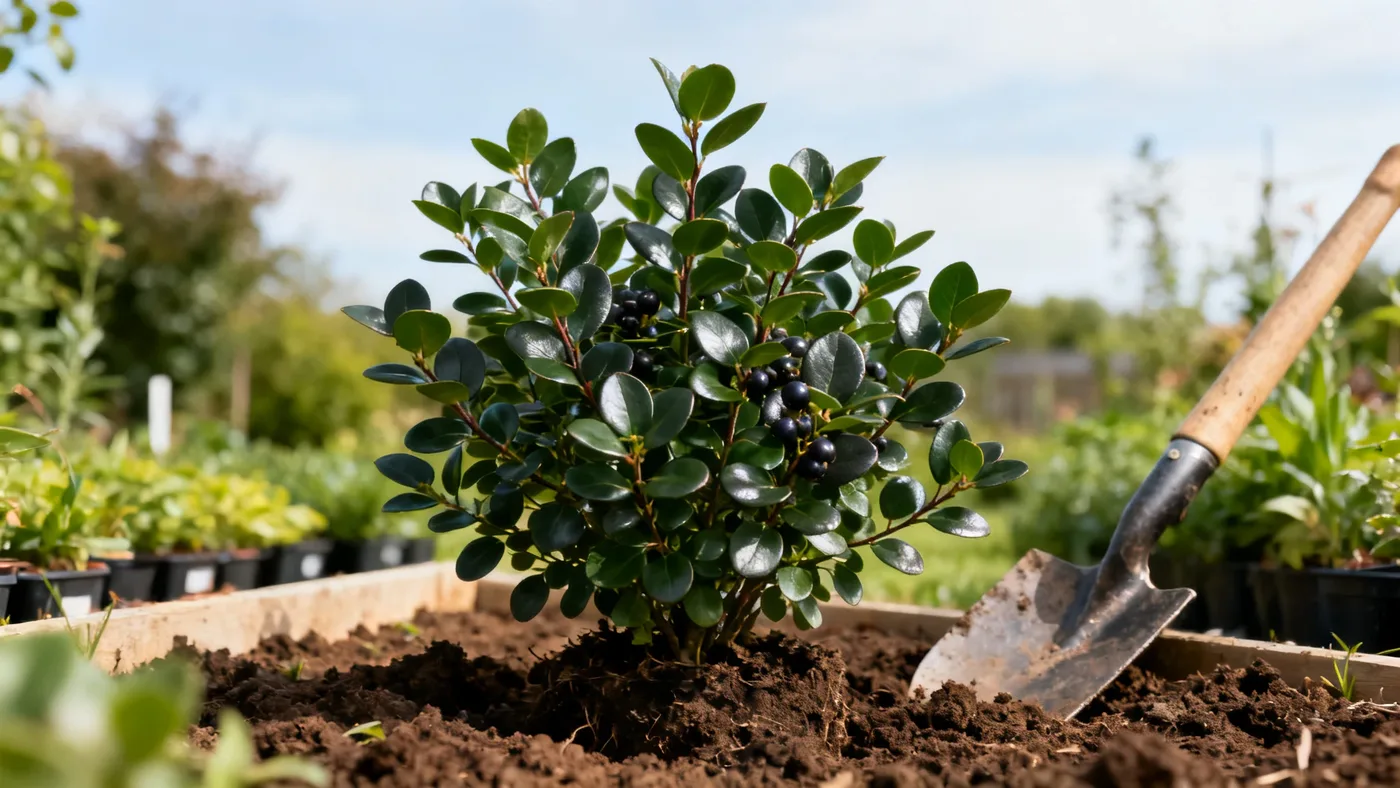
Chokeberry bush (Aronia melanocarpa) is one of the most rewarding shrubs for home gardens and landscapes. Beyond its compact, manageable size, reaching 1 to 2 feet tall in dwarf cultivars or 3 to 6 feet in the species form, this native North American shrub delivers spring pollinators, summer foliage, stunning fall color that turns vivid red to orange-red, and berries that feed songbirds through winter. Whether you're planning a native plant garden, a rain garden in a wet area, or simply looking for a low-maintenance shrub with multiple seasons of interest, chokeberry bush belongs in the conversation.
The beauty of Aronia melanocarpa is its adaptability. It grows in USDA zones 3 to 9, tolerates both clay and sandy soils, and thrives in full sun to part shade, though the most striking fall color and heaviest fruiting happen in full sun. Once established, it's drought-tolerant and deer-resistant, making it a practical choice for landscapes where wildlife or dry periods are concerns. In this guide, we'll walk through landscape applications and companion planting strategies to help you get the most from chokeberry bush on your property.
1. Mass Planting for Fall Color and Wildlife
One of the most impactful uses for chokeberry bush is mass planting across a slope, foundation, or visible garden area. When planted in groups of three to five shrubs spaced 2 to 4 feet apart, chokeberry creates a dense mass that turns heads in late September through October. The foliage shifts from glossy dark green to that signature vivid red and orange-red, a transformation that rivals ornamental trees in many regions.
Mass plantings also serve wildlife exceptionally well. Bees visit the small, white to very pale pink flowers in mid to late spring (April through May, depending on your zone), and the persistent dark purple-black berries become an essential food source for robins, cedar waxwings, and other songbirds as fall progresses. A single mass planting can support dozens of birds through the winter months. For maximum berry production and the deepest fall color, site your mass planting in full sun; part-shade locations will still perform but may produce fewer berries.
Practical takeaway: Choose a visible location, perhaps along a front property line or alongside a terrace, where the fall color shift and winter berries can be enjoyed. Space plants 2.5 to 3 feet apart to allow for mature width (dwarf cultivars typically reach 2 to 3 feet wide) and expect the planting to reach its full visual impact within 3 to 5 years as the shrubs mature.
2. Pairing with Perennials in Pollinator and Native Plant Gardens
If you're building a pollinator garden or celebrating native plants from Eastern North America, chokeberry bush is a foundational shrub. Its spring flowers attract bees and native pollinators, and the berries feed birds. To create a layered, cohesive design, pair chokeberry with perennials that share similar growing conditions and complement its seasonal progression.
Purple coneflower (Echinacea) is an excellent companion. Both prefer full sun and well-drained to average soil, and the coneflower's pink to purple blooms (mid-summer through fall) bridge the gap between chokeberry's spring flowers and its autumn show. Switchgrass (Panicum) adds textural contrast; the fine, upright foliage creates a feathery backdrop for chokeberry's glossy leaves in summer and turns bronze-gold in fall, harmonizing with the shrub's red and orange tones. These combinations work best when you allow at least 24 to 30 inches between the perennial bases and the chokeberry stem to prevent crowding as both plants mature.
Practical takeaway: In a new pollinator garden, plant chokeberry first and allow it to become established before adding perennials directly at its base. Space perennials far enough away (2 to 3 feet from the shrub's center, depending on mature perennial width) so that chokeberry receives full sunlight and air circulation, both crucial for flowering and berry set.
3. Low Hedging and Border Applications
The compact cultivars of chokeberry, sometimes marketed as Low Scape Mound or similar trade names, create a refined, low hedge or border when planted in a tight line. With a mature height of just 1 to 2 feet and growth that stabilizes around 6 to 12 inches per year, these cultivars reach their intended size quickly (typically within 2 to 3 years of planting) without aggressive pruning. Space them 2 to 3 feet apart along a walkway, property edge, or foundation to create a living boundary that's both functional and beautiful.
Because chokeberry is highly adaptable to soil and tolerates poorly-drained conditions better than many ornamentals, it's particularly useful for hedging areas where other shrubs struggle. It's also deer-resistant, so if your landscape borders deer-heavy woodlands or open land, this shrub will hold up better than privet or boxwood. In mid to late spring, the white flowers appear at eye level, and come fall, the foliage glows with that outstanding red-orange color. Berries persist into winter, adding textural interest when deciduous landscapes are otherwise bare.
Practical takeaway: For a low hedge, choose the dwarf cultivar type and plan for minimal pruning. A light pruning right after spring flowering (late May or June, depending on zone) or in late winter removes dead wood and controls suckering without diminishing next year's blooms or berries. Allow the hedge to reach its mature width naturally; over-shearing reduces berry production.
4. Companion Plantings with Native Shrubs for Wet Areas
Chokeberry bush is native to swamps, bogs, and moist woodland edges across Eastern North America, making it an ideal choice for rain gardens, low-lying areas, and landscapes where water naturally collects or drainage is poor. Unlike many ornamental shrubs, Aronia melanocarpa doesn't mind wet feet. Its tolerance for consistently moist or even periodically waterlogged soil opens design possibilities that exclude fussier plants.
Combine chokeberry with other moisture-loving natives to create a cohesive wet-site garden. Sweetspire (Itea virginica) and summersweet (Clethra alnifolia) are excellent companions, both thriving in moist, acidic to neutral soil (pH 5.0 to 7.0, the same range chokeberry prefers), producing fragrant flowers in late spring or early summer, and developing warm fall foliage. A grouping of chokeberry, sweetspire, and summersweet planted in a shallow depression or rain garden will establish quickly, require minimal supplemental water during dry spells once established, and create a succession of flowers from spring into midsummer.
Practical takeaway: Before planting in a wet area, confirm that water isn't stagnant year-round; chokeberry tolerates periodic wetness but needs some soil oxygen. Space shrubs in the grouping 3 to 4 feet apart to allow for mature spread. Expect slower growth the first two years as plants adapt to wet conditions, but once established, the planting will require almost no maintenance beyond the occasional removal of dead branches.
5. Container Growing for Patios and Small Spaces
Chokeberry bush is surprisingly well-suited to container growing, particularly the compact, dwarf cultivars. A mature dwarf plant in a large pot (at least 18 to 20 inches deep and wide) can reach its full height and width, flowering and fruiting reliably, without the demands of in-ground gardening. This makes chokeberry an excellent choice for urban gardeners, small-space landscapes, or anyone wanting seasonal interest on a patio or deck.
Use a high-quality potting mix formulated for shrubs, and ensure the pot has drainage holes. Position the container in full sun for optimal blooms and berries, though part-shade (at least 4 to 6 hours of direct sun) will work if that's all your site allows. Water regularly during the growing season (spring through fall), especially during dry spells; container plants dry faster than in-ground shrubs. In late fall or winter, reduce watering as the plant goes dormant. In zones 3 to 5, protect container plants from extreme cold by moving them against a sheltered wall or wrapping the pot in burlap; in zones 6 to 9, outdoor overwintering is typically fine.
Practical takeaway: Select a pot with excellent drainage and use a soil mix that retains some moisture without waterlogging. Refresh the top 2 to 3 inches of soil each spring to replenish nutrients, and consider applying a light, balanced, slow-release fertilizer in early spring. Container chokeberry will mature more slowly than in-ground plants, expect full size in 4 to 5 years, but will reward you with multi-season interest in a compact footprint.
6. Designing Around Seasonal Sequences
A refined approach to using chokeberry bush is to build landscapes around its predictable seasonal progression. Spring brings bees and pollinators to the white flowers; summer showcases the deep green, glossy foliage; fall explodes into vivid red and orange-red; and winter holds the persistent dark berries. Each season can be enhanced by thoughtful companion planting and siting.
Pair chokeberry with shrubs and perennials that have contrasting or complementary seasonal peaks. Spring-blooming bulbs like tulips or daffodils planted nearby will bloom alongside the chokeberry flowers and finish by the time summer's green takes over. Summer bloomers (like echinacea or Russian sage) carry visual interest past the shrub's spring show. Fall bloomers are fewer, but late-season sedum or ornamental grasses ensure something is always in focus. Come winter, the persistent berries and any remaining seed heads from perennials combine to create a garden that doesn't feel bare.
Practical takeaway: Plan your supporting plantings so that something is always blooming or displaying color from April through November in your region. Use chokeberry as the anchor, the element that provides structure and wildlife value across seasons, and build around it with companions chosen for their own seasonal moments. This layered approach maximizes visual interest and landscape function across the entire year.
Quick Reference: Chokeberry Bush Landscape Checklist
| Landscape Use | Spacing | Sun / Soil | Companion Plants |
|---|---|---|---|
| Mass planting (fall color) | 2.5–3 ft | Full sun preferred; clay, loam, or sandy | Other native shrubs or ornamental grasses |
| Pollinator garden | 2–3 ft from perennials | Full sun; acidic to neutral pH (5.0–7.0) | Echinacea, Panicum, black-eyed Susan |
| Low hedge (dwarf cultivars) | 2–3 ft | Full sun to part shade; avg. garden soil OK | Perennial groundcovers, spring bulbs |
| Rain garden / wet site | 3–4 ft | Full sun to part shade; tolerates wet soil | Itea virginica, Clethra alnifolia, grasses |
| Container (dwarf cultivars) | One plant per 18–20" pot | Full sun; well-draining potting soil | Companion perennials in adjacent pots |
| Seasonal layering | Varies by companion | Full sun to part shade | Spring bulbs, summer bloomers, sedums, grasses |
For detailed care instructions and troubleshooting, see our complete chokeberry bush growing guide. Whether you're massing chokeberry for fall impact, building a pollinator garden, or adding a low hedge to your landscape, this versatile native shrub will reward you with year-round interest, minimal maintenance, and abundant wildlife value across zones 3 to 9.