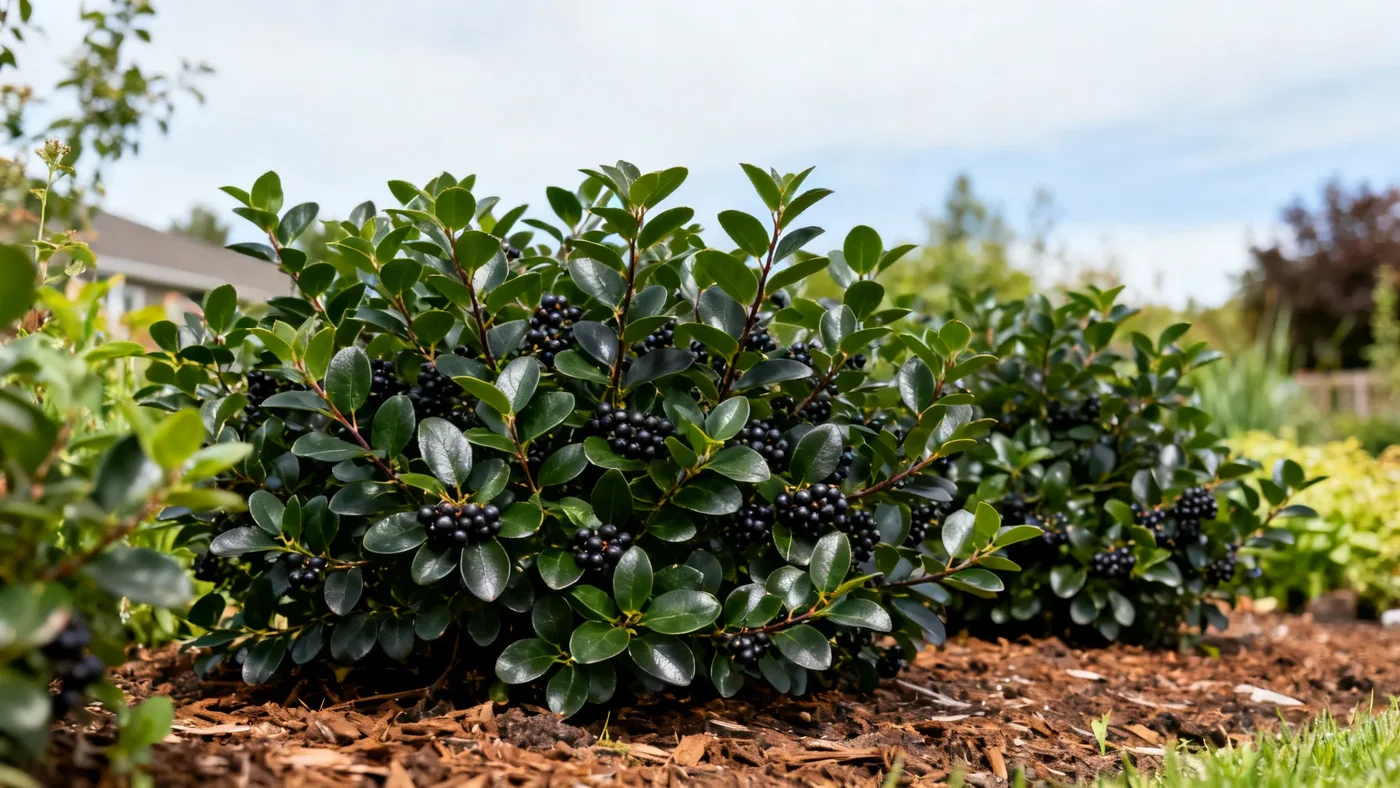
Chokeberry Bush and Wildlife: Birds, Bees and Pollinators
If you want to turn your garden into a thriving wildlife haven, chokeberry bush belongs on your list. This native shrub does far more than look good in fall: it feeds pollinators when they need it most, and sustains songbirds through the winter months. In fact, Aronia melanocarpa is one of the most underrated native plants for supporting the creatures that make a garden feel alive.
Below are the seven reasons chokeberry bush is a powerhouse for wildlife, plus practical steps to maximize the benefit in your landscape.
1. Spring Bee Magnet with Reliable Nectar and Pollen
In mid to late spring (April through May, depending on your zone), chokeberry bush erupts with hundreds of small white to pale pink flowers arranged in flat, open clusters. This flower form is exactly what bees and other pollinators prefer: easy access to nectar and pollen without the deep trumpet shapes that only certain insects can reach. The flowers are modest in individual size, but they arrive in such abundance that a mature shrub becomes a landing pad for honeybees, native bees, and other early-season pollinators.
Unlike showier ornamental shrubs with sterile or heavily doubled flowers, chokeberry produces fertile flowers that actually reward pollinators with food. This matters more than most gardeners realize. Early spring is a critical window for hungry pollinators emerging from dormancy, and reliable nectar sources at this time influence whether those populations thrive through summer and beyond.
Practical takeaway: Plant chokeberry in full sun to maximize blooming. The more sunlight it receives, the more flowers it will produce, and the more pollinators will visit. If you only have part shade, the plant still flowers, but production will be lighter.
2. Fall and Winter Fruit That Feeds Songbirds
While the spring flowers fade by early summer, the real show for wildlife comes in autumn. Chokeberry produces persistent dark purple-black berries that cling to the branches well into winter. This timing is critical: by late fall and early winter, many native berrying shrubs have been stripped bare by hungry birds, but chokeberry's berries often remain available when songbirds need the caloric boost most.
These berries are an important food source for cedar waxwings, robins, thrushes, and other migratory and resident songbirds. The berries' high nutritional density makes them valuable fuel for birds preparing for migration or surviving cold months. A single mature shrub can sustain dozens of visits from different bird species over a season, turning your yard into a stopover restaurant on the migration highway.
Practical takeaway: Resist the urge to remove fallen berries in autumn. Allow the fruit to remain on branches as long as possible, and let any that drop stay on the ground where ground-feeding birds can access them. Never prune chokeberry in late summer or fall, as this removes next year's berry crop.
3. Native Plant Heritage Means Built-In Wildlife Adaptation
Chokeberry is native to Eastern North America, from Newfoundland and Ontario south to the Appalachians and Gulf Coast states, where it naturally grows in swamps, bogs, and moist woodland edges. This native range is not incidental: it means the plant evolved alongside the birds, bees, and insects of your region. Local wildlife species developed feeding strategies and life cycles timed to this plant's flowering and fruiting.
When you plant a native species like chokeberry, you are essentially re-establishing a known food source in a landscape where it once naturally existed. This ecological alignment is far more effective than relying on non-native ornamentals that local wildlife may not recognize or fully utilize. Native plants form the foundation of healthy wildlife gardens because the relationships between plant and animal are ancient and proven.
Practical takeaway: Use chokeberry as part of a native plant strategy. Pair it with other regional natives like switchgrass, purple coneflower, Itea virginica (sweetspire), and Clethra alnifolia (summersweet) to create a cohesive ecosystem that supports a broader range of wildlife throughout the seasons.
4. Berry Astringency Actually Protects a Valuable Food Resource
Chokeberry berries are famously astringent. Raw, they are nearly inedible for humans, puckering the mouth intensely. This unpalatability might seem like a downside, but it is actually a feature for wildlife support. The astringency makes the berries unappealing to most mammals and early-season fruit-eaters, so the berries remain intact longer, ensuring they are available when songbirds need them most in the depths of fall and winter.
By contrast, sweet berries like those on some ornamental shrubs are consumed rapidly in early autumn, leaving nothing for birds by the time winter arrives. Chokeberry's astringency acts as a natural preservation mechanism, keeping the resource in reserve for when it matters most. This is an elegant example of how a plant trait that seems like a flaw is actually a sophisticated survival strategy that supports wildlife.
Practical takeaway: Do not remove or thin berries in the name of neatness. The full fruit load means more food available to birds through the season. Chokeberry's compact cultivars (dwarf types like Low Scape Mound, 1 to 2 feet tall) still produce abundant berries despite their smaller mature size, making them perfect for wildlife gardens with limited space.
5. Deer Resistance Means the Plant Survives to Flower and Fruit
Chokeberry has good to high deer resistance, which translates to a reliable wildlife benefit: the plant actually lives long enough to produce flowers and berries. In regions where deer pressure is severe, many ornamental shrubs are browsed so heavily that they never reach full maturity or establish stable flowering and fruiting. A deer-resistant plant like chokeberry can do its job season after season without competition from herbivores stripping it bare.
This resilience extends the lifespan and productivity of the plant. A well-sited chokeberry can live 20 to 30 years or more, providing consistent spring nectar and fall fruit across decades. Over that span, a single shrub may support thousands of individual pollinators and songbirds, making it one of the most valuable long-term wildlife investments you can make in a garden.
Practical takeaway: Plant chokeberry with confidence in deer-heavy areas. Its resistance to browsing means you can focus your deer-protection efforts (fencing, repellents) on more vulnerable plants, while chokeberry stands as a reliable pollinator and bird food source season after season.
6. Moderate Drought Tolerance Supports Extended Blooming
Once established, chokeberry tolerates moderate drought. This resilience supports consistent wildlife value because stressed plants produce fewer flowers and fruits. A chokeberry with adequate water supply continues flowering reliably in spring and sets a full berry crop by fall, regardless of fluctuations in rainfall during the growing season.
In landscapes where watering is limited, this drought tolerance is a practical advantage. The plant's deep root system develops over its first couple of seasons, and as it matures, it requires less supplemental watering while maintaining strong flowering and fruiting performance. This means more reliable pollinator support and bird food, season after season, without the labor-intensive watering that other ornamentals demand.
Practical takeaway: Water newly planted chokeberry regularly for the first growing season to establish roots. Once established (roughly 2 to 3 years), reduce watering frequency. The plant's increasing drought tolerance means you can rely on it to produce flowers and fruit even during drier years.
7. Modest Pruning Needs Preserve Full Wildlife Potential
Chokeberry requires minimal maintenance pruning, especially compared to ornamentals that demand frequent shearing. This low-input approach is actually ideal for wildlife: the less you prune, the more flowers and berries the plant produces. Ideally, prune only right after flowering (if needed) or in late winter to remove dead wood and control the suckering habit or shape.
Heavy annual pruning removes the growth that will flower and fruit later, reducing your wildlife benefits. A chokeberry left to grow naturally into its mature form (species shrubs reach 3 to 6 feet tall and wide; compact cultivars typically 1 to 2 feet tall and 2 to 3 feet wide) provides the highest density of flowers and fruit. Light, infrequent pruning preserves this abundant branching while keeping the plant healthy and attractive.
Practical takeaway: Treat chokeberry as a "plant and let it be" shrub. Once established, you can step back and let it flower and fruit without constant intervention. When pruning is necessary, cut out dead branches and thin out crowded growth, but avoid shearing or heavy cutting that removes next year's blooms.
Quick Reference: Chokeberry Bush Wildlife Value at a Glance
| Wildlife Benefit | Timing | What to Do |
|---|---|---|
| Pollinator nectar and pollen | April-May (mid to late spring) | Plant in full sun; do not deadhead flowers |
| Songbird food (berries) | Fall through winter | Never thin berries; leave on branches as long as possible |
| Native ecosystem value | Year-round | Plant alongside other native companions like switchgrass and coneflower |
| Deer-resistant habitat | Year-round | No special action needed; plant with confidence in deer areas |
| Drought resilience (mature plants) | After year 2-3 establishment | Water new plants regularly; reduce watering once established |
| Long productive lifespan | 20-30+ years | Prune minimally; focus on removing dead wood only |
Get Started with Chokeberry for Wildlife
Whether you choose a full-size species form or a compact cultivar like Low Scape Mound, chokeberry bush delivers real value to pollinators and birds. The combination of spring flowers, fall-to-winter berries, native heritage, and low maintenance makes it one of the most efficient wildlife plants for a home landscape.
To ensure your chokeberry thrives and produces abundantly, start with proper planting. Read our guide on how to plant a chokeberry bush for timing and step-by-step instructions. Then, as your plant matures, refer to our complete growing guide for seasonal care tips that maximize flower and fruit production.
In return for minimal effort, you will have a shrub that feeds your neighborhood's bees in spring and songbirds in winter, year after year. That is the essence of wildlife gardening: choosing plants that support the creatures around you while asking very little in return.