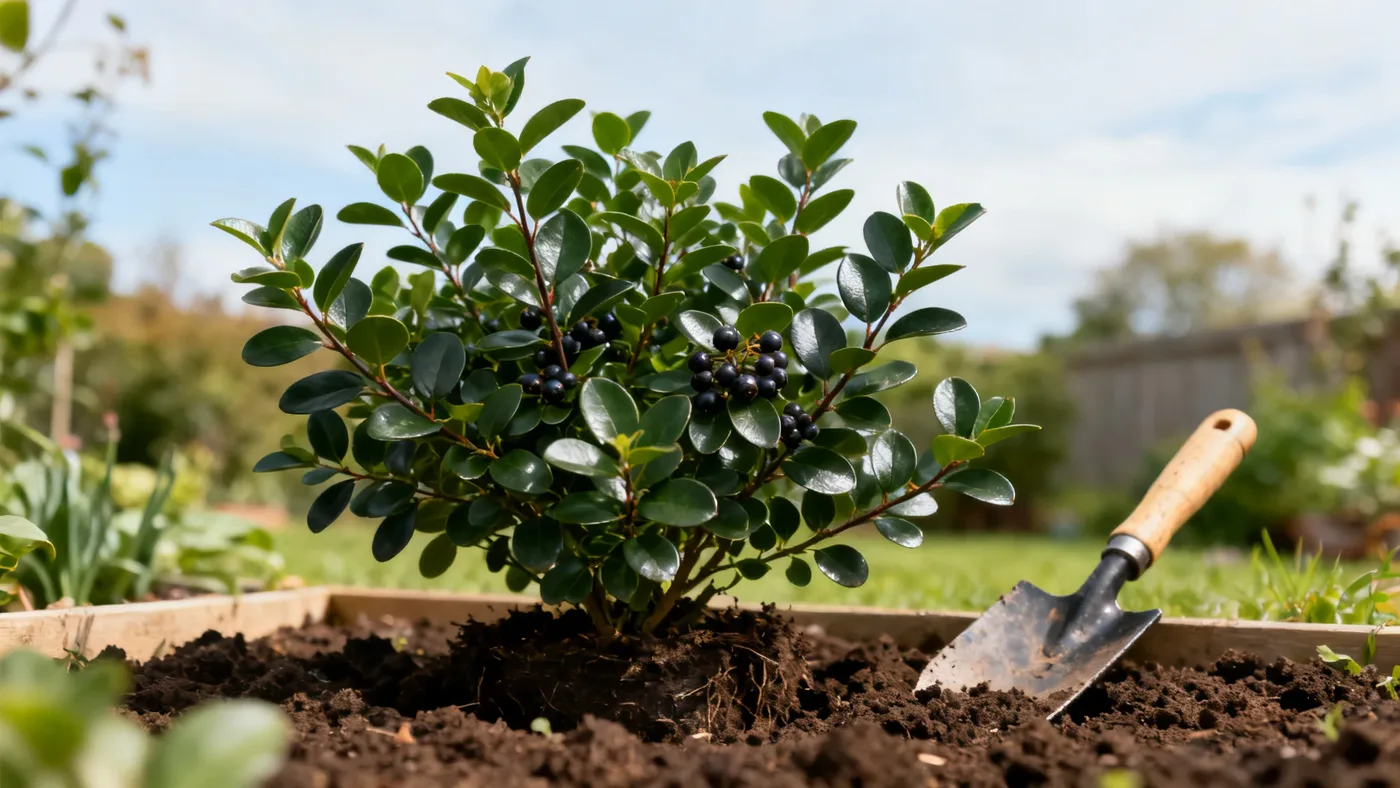
Watering Chokeberry Bush: Establishment to Mature Plants
Chokeberry bush (Aronia melanocarpa) is a low-maintenance shrub that handles variable water conditions well, but getting the watering schedule right during the first year makes the difference between a shrub that thrives and one that struggles. Once established, your chokeberry tolerates both moderately wet soil and drought, but the transition period matters. This guide walks you through watering practices from planting day through year three and beyond.
What You'll Need
- Garden hose or soaker hose
- Watering can (for small containers or spot watering)
- Mulch (2-3 inches of wood chips or bark, not piled against the stem)
- Soil moisture meter or finger test method
- Drip irrigation or sprinkler system (optional, helpful for multiple plantings)
Watering Chokeberry During the First Growing Season
The first year after planting sets your chokeberry up for success. Although mature chokeberry tolerates moderate drought once established, young plants need consistent moisture while they develop their root system.
Steps for New Plantings
- Water immediately after planting. Dig your planting hole in moist, well-draining soil (either the spring or fall planting season works; the plant adapts to clay, loam, and sandy soils). Water the planting hole thoroughly before and after setting the shrub in place. This settles the soil around the roots and eliminates air pockets.
- Establish a daily or every-other-day watering routine for the first 4-6 weeks. Use a soaker hose or drip line at the base so water reaches 2-3 inches into the soil. Overhead sprinkling wets foliage and wastes water; aim for the soil. The goal is to keep soil consistently moist without waterlogging it. A good indicator: the top inch of soil should feel slightly damp when you press your finger into it.
- Apply 1-1.5 inches of mulch around the base. Leave 2-3 inches of bare ground around the stem to prevent stem rot. Mulch moderates soil temperature and reduces moisture loss from evaporation. Bark chips or wood mulch work well and break down slowly.
- Transition to a weekly schedule by mid-summer of year one. After 4-6 weeks, reduce watering to once per week (or twice weekly in hot spells above 85°F). Deep watering once weekly is better than daily shallow watering; it encourages the roots to grow deeper and anchors the plant better.
- Check soil moisture before watering in year two. By the second growing season, your chokeberry should have a more developed root system. Feel the soil 2-3 inches down. If it's still moist, wait another day or two. Chokeberry begins to show its drought tolerance here, so let the soil dry slightly between waterings rather than keeping it constantly wet.
Watering Mature Chokeberry (Year 3 Onward)
Established chokeberry tolerates moderate drought, which means once your plant is 3-5 years into growth and has reached a reasonable size, you can step back on the watering schedule. However, soil type and rainfall affect how much supplemental watering you actually need.
Seasonal Adjustments
Spring and Early Summer: If your region receives 1 inch of rainfall per week (including spring rain), supplemental watering may not be necessary. During dry periods with no rain for more than 2 weeks, water once weekly. Newly leafed-out chokeberry is still putting energy into growth, so regular water during this phase helps with vigor.
Mid to Late Summer: Heat stress is the biggest threat during July and August in most zones. Even though chokeberry tolerates moderate drought, plants in full sun and sandy or loamy soils dry out faster. Water deeply once weekly if there is no rain. Established plants show stress by slightly drooping leaves in the hottest part of the day; water in the early morning to help the shrub recover by afternoon.
Fall: As temperatures cool, reduce watering frequency. Your chokeberry is transitioning toward dormancy and needs less moisture. Let natural rainfall handle most watering from September onward unless you are in a drought year.
Winter and Early Spring: In zones 3-9 where chokeberry grows, winter precipitation typically provides sufficient moisture. Do not water once the plant is dormant. Resume regular watering once you see new leaf growth in spring.
Soil Type and Water Drainage
Chokeberry is remarkably adaptable to different soil conditions. It tolerates wet, poorly-drained soil (the plant grows naturally in swamps and bogs) and also adapts to average garden soil. This flexibility is one of its strengths.
Clay soils: Retain moisture longer. You may need to water less frequently. Ensure water is not puddling around the base after rain; if it is, improve drainage by aerating the soil or adding organic matter over time.
Sandy or loamy soils: Drain quickly. These soils need more frequent watering during dry periods. Applying 2-3 inches of mulch helps retain moisture longer in sandy soils.
Chalky or alkaline soils: Chokeberry prefers acidic to neutral soil (roughly 5.0 to 7.0 pH). In high-pH soil, the plant may show yellowing leaves (chlorosis), but this is a nutrient availability issue, not a watering problem. Watering does not fix pH; amending the soil or choosing a different site is more effective.
Tips and Common Mistakes
Overwatering is more harmful than underwatering. Constantly wet soil promotes root rot and fungal diseases. If your soil stays soggy for days after rain, the drainage is poor and you should water less frequently or improve drainage before planting.
Use a drip line or soaker hose, not overhead sprinklers. Wet foliage can increase disease pressure and wastes water. Direct water to the soil.
Water in the morning. Early morning watering lets foliage dry quickly and reduces disease risk. Avoid watering in the evening when moisture sits on leaves overnight.
Do not water during freezing temperatures. Winter water freezes in the soil and can damage roots. Let natural precipitation supply water once dormancy begins in fall.
Watch for signs of stress. Slightly drooping leaves and a dull leaf color on a hot afternoon can indicate the plant needs water. Persistently yellow leaves or very soft, mushy stems suggest overwatering or poor drainage, not underwatering.
Do not assume your neighbor's watering schedule matches your yard. Sunlight, soil type, and local rainfall vary. Monitor your own soil, not the plants next door.
Expected Results
Proper watering sets the foundation for a healthy shrub. In the first year, you should see steady growth of roughly 6-12 inches as the plant directs energy into root establishment and new stems. Leaves will be glossy and dark green. By year three, your chokeberry reaches a useful size and should flower by mid to late spring (April to May, depending on your zone in the 3-9 range).
A well-watered chokeberry consistently produces the plant's signature small white to very pale pink flowers in spring, which later develop into the dark purple-black berries that persist into winter. Once the shrub matures, even during dry summers, it should maintain its foliage and produce berries reliably because its moderate drought tolerance kicks in.
Underwatered young plants grow slowly and may fail to establish. Overwatered plants show yellowing or dropping leaves and slow growth despite the water input. Striking the right balance means your chokeberry develops into a vigorous, low-maintenance shrub that requires minimal intervention for decades.
Quick Reference: Chokeberry Watering Schedule
| Growth Stage | Frequency | Amount | Key Notes |
|---|---|---|---|
| First 4-6 weeks (newly planted) | Daily or every other day | Top 2-3 inches of soil consistently moist | Use soaker hose; apply mulch; no overhead watering |
| Year one, mid-summer onward | Once weekly | Deep watering, 1-1.5 inches per week | Reduce to every-other-week if rain exceeds 1 inch |
| Year two (late spring to mid-summer) | Once weekly during dry spells | 1-1.5 inches per week if no rain | Check soil moisture; let top 1-2 inches dry between waterings |
| Year three and established (spring/early summer) | Once weekly if no rain | 1-1.5 inches per week or as needed | Moderate drought tolerance; less frequent watering in fall and winter |
| Summer heat stress (July-August) | Once weekly, more in sandy soils | 1-1.5 inches or until soil is moist 3 inches deep | Water in early morning; watch for drooping leaves in afternoon |
| Fall and winter dormancy | As needed (rain-dependent) | Minimal supplemental watering | Do not water during frost; natural precipitation is usually sufficient |
Chokeberry Bush Care Beyond Watering
Watering is one piece of chokeberry care. For a complete overview of planting, pruning, fertilizing, and troubleshooting, see our complete chokeberry bush care guide, which covers the full year of maintenance.